Graphene heating film manufacturing involves much more than applying a conductive material to a flexible substrate. A practical heating film has to combine electrical performance, heating uniformity, flexibility, insulation and production consistency in one controlled structure.
The final result depends on several connected stages: material preparation, dispersion, coating, conductive film formation, electrode integration, encapsulation, cutting, electrical connection and testing. A weakness in one stage can affect the electrical or thermal behavior of everything that follows.
This article explains the main manufacturing steps behind graphene heating film and why each stage matters when moving from a laboratory sample to repeatable production. The exact formulations and process parameters vary by material system and application, so the focus here is on the engineering logic rather than proprietary recipes.
What Is Inside a Graphene Heating Film?
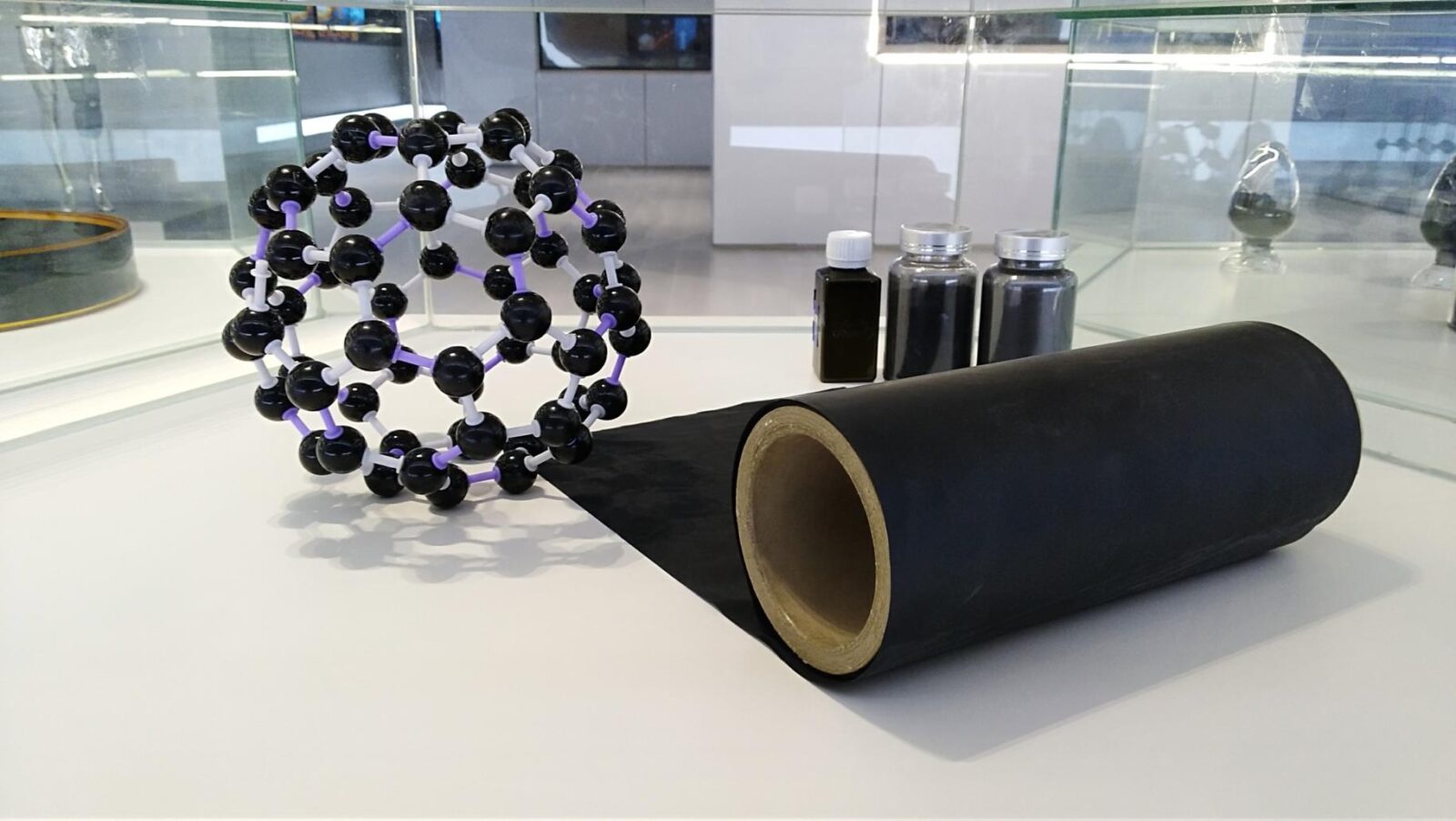
The University of Manchester describes graphene as a single layer of carbon atoms arranged in a honeycomb lattice. Its electrical and thermal properties are among the reasons graphene and graphene-related materials have attracted attention in flexible electronics and thermal applications.
In a practical heating application, however, a graphene heating film is not simply a sheet of isolated graphene.
A finished heating element may contain a graphene-based conductive layer, a supporting substrate, current-carrying electrodes, electrical connection points and protective insulation or encapsulation layers. The exact construction depends on what the heater is expected to do.
When electrical current passes through the conductive heating layer, electrical energy is converted into heat through resistive, or Joule heating. Voltage, resistance, current, power and heating area therefore have to be considered together rather than as isolated specifications.
For a broader introduction to the material itself, see our guide: What Is Graphene?
1. Material Preparation and Dispersion
Manufacturing begins with the conductive material system, before anything reaches the coating line.
Graphene or graphene-related carbon materials need to be incorporated into a formulation that works with the selected production process. Depending on the heating-film structure, the formulation may also contain binders, carriers or other functional components.
One of the main objectives at this stage is consistent dispersion. If conductive material is distributed unevenly, electrical resistance may vary across the coated area. Those differences can later appear as uneven heating or inconsistent electrical performance.
Dispersion is therefore not simply a mixing step. It influences coating behavior, film formation and the resistance characteristics of the finished heating element.
Within PMA’s graphene heating-film development work, material dispersion is treated as part of the manufacturing process rather than as a separate laboratory exercise. The required formulation is determined by the intended substrate, electrical characteristics and final application.
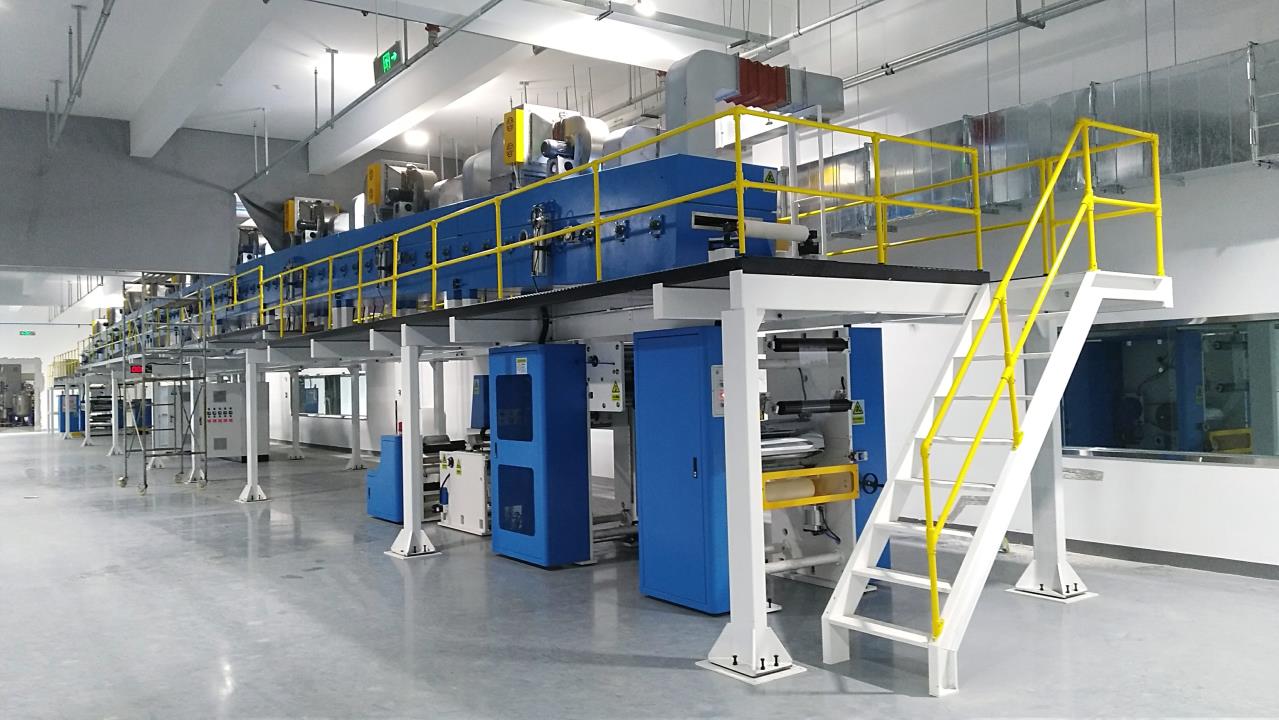
2. Precision Coating and Pattern Formation
Once the conductive material has been prepared, it needs to be transferred onto a suitable substrate or carrier.
There is no single manufacturing method used for every graphene heater. Research has demonstrated different approaches including coating, printing and other patterning methods. For example, a published study on flexible graphene-based printed heaters evaluated graphene-based inks deposited on flexible polyimide substrates and tested the resulting structures as microheaters.
For coated heating films, uniformity matters. The conductive layer contributes to sheet resistance, current distribution and ultimately the temperature distribution of the heater. Differences in coating thickness or material distribution can therefore become electrical differences later in the process.
This is why precision coating should be treated as a process-control issue, not simply as a way of placing conductive material onto a film.
3. Drying and Conductive Film Formation
After coating or printing, the deposited material has to form a stable conductive layer.
Depending on the material system, this stage may involve drying, curing or another controlled treatment. The objective is to establish a conductive structure that adheres properly to its substrate while maintaining the electrical characteristics required by the design.
There is no useful universal curing temperature or drying time that applies to every graphene heating film. Those conditions depend on the formulation, substrate and construction of the heating element.
From a manufacturing perspective, repeatability matters more than producing one successful sample. A production process has to achieve reasonably stable electrical behavior across repeated batches rather than only under one laboratory condition.
4. Electrode and Current-Collector Integration
A conductive heating layer still needs a controlled way to receive electrical power.
Electrodes or current collectors are integrated into the heating structure so that current can pass through the intended active area. Their material, geometry, spacing and connection quality all influence electrical behavior.
The goal is not simply to make the heater turn on. The electrical layout needs to work with the required voltage, resistance, heating area and target temperature distribution.
A small wearable heating element may require a very different electrode arrangement from a larger automotive or industrial thermal component. Even when the conductive material is similar, the electrical architecture may not be.
5. Encapsulation and Electrical Insulation
The conductive structure normally cannot remain exposed in a finished product.
A flexible heater may be bent, handled, integrated into textiles or assemblies, or exposed to moisture and repeated use. Protective layers are therefore used to electrically isolate and mechanically protect the active heating structure.
The required encapsulation depends on the application. A PI-based flexible heating film and a fabric-based heating film do not necessarily need the same construction. Flexibility, thickness, waterproofing, washability, operating temperature and assembly method can all affect the final structure.
For this reason, encapsulation should be considered during heater design rather than added as an afterthought once the conductive layer has already been finalized.
6. Cutting, Electrical Connections and Product Integration
After the heating structure has been formed and protected, it begins to move from a material component toward an application-specific heating element.
The film may need to be cut into a defined shape, fitted with wires or connectors, divided into separate heating zones, or integrated with temperature sensors and control components.
This is where application requirements become particularly important. One customer may need a simple rectangular heater. Another may require an irregular shape, multiple heating zones, a particular connector position or integration into a textile, seat structure or other thermal-management assembly.
For that reason, heater development should normally start with the final application’s electrical, mechanical and dimensional requirements rather than with a generic film specification. PMA’s graphene heating solutions cover different application requirements rather than relying on one fixed heater format.
7. Electrical and Thermal Testing
A heating film that looks correct is not necessarily electrically correct.
Testing may include resistance measurement, voltage and current verification, power evaluation and thermal imaging. Depending on the intended application, additional validation can involve bending, thermal cycling, washing, environmental exposure or repeated operation.
Infrared thermal imaging is particularly useful because it shows the temperature distribution across the active heating area instead of reporting only one measurement point. The published flexible-heater study referenced above also used an infrared camera to evaluate heater temperature and carried out repeatability testing over successive operating cycles.
The practical questions are straightforward: Does the actual resistance match the design target? Does the intended area heat correctly? Are there abnormal hot spots? Does the heating behavior remain stable after repeated operation?
For an engineering buyer, answers to those questions are usually more useful than a single headline maximum-temperature figure.
8. From Prototype to Repeatable Production
Producing one working laboratory sample and manufacturing a repeatable commercial heating film are different challenges.
Scale-up introduces additional requirements: material consistency, coating control, process repeatability, inspection, traceability and stable electrical performance from batch to batch.
This is where production engineering becomes as important as the material itself. The objective is no longer simply to prove that a heating concept works; it is to make the same design manufacturable with controlled performance.
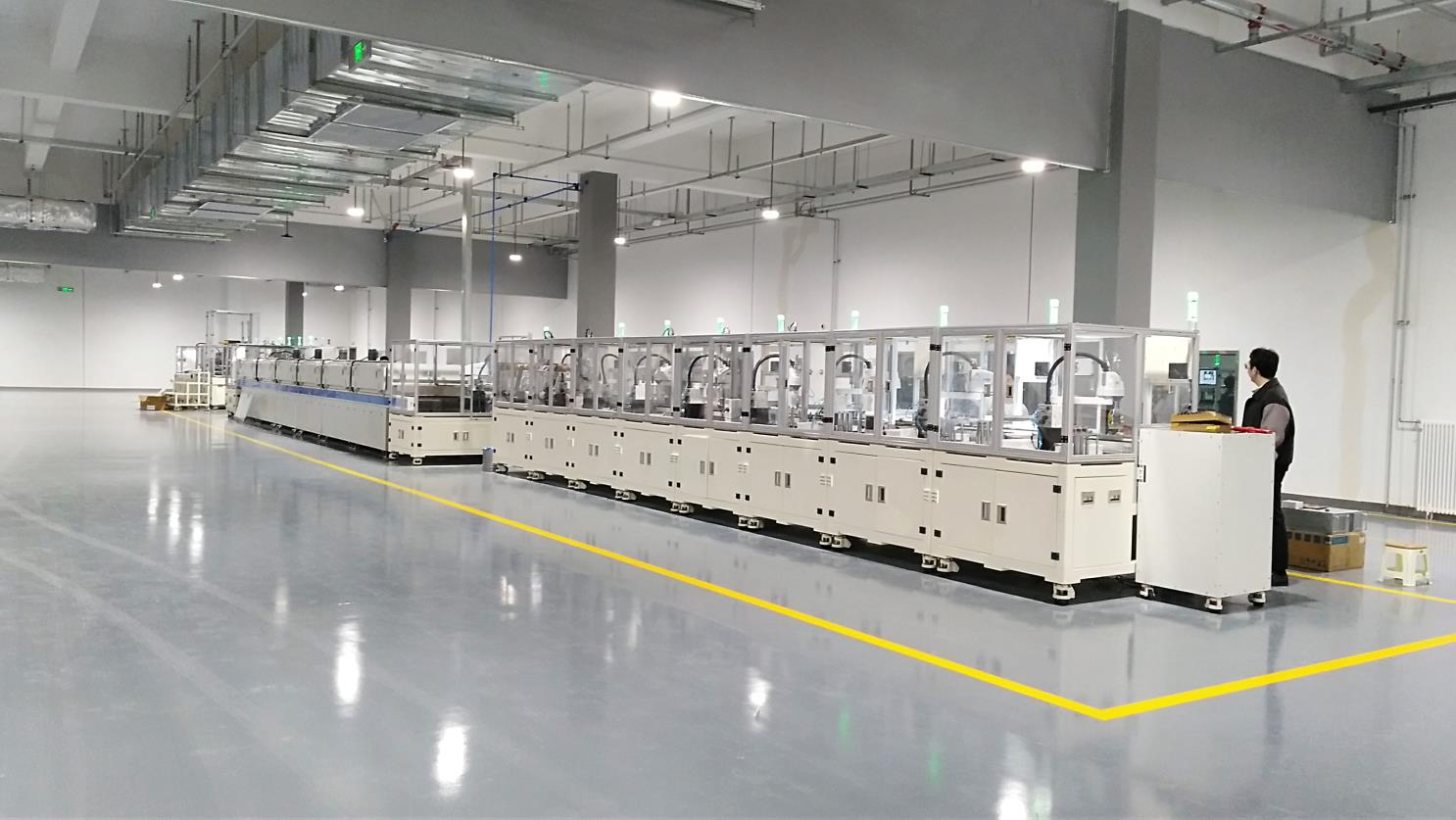
PMA’s workflow connects graphene heating-film development, prototyping, inspection and production. More information about this part of the process is available on our manufacturing capabilities page.
What Should Buyers Check When Evaluating a Graphene Heating Film?
A useful supplier discussion should go beyond the question, “How hot can it get?” A maximum-temperature number does not tell you whether the heater will work correctly inside a real product.
- Confirm the intended operating voltage, resistance and power range.
- Check the finished heater dimensions, not only the size of the internal heating area.
- Ask how temperature uniformity and resistance consistency are evaluated.
- Confirm the insulation and encapsulation structure for the intended environment.
- Identify any bending, washing, cycling or environmental requirements before production.
- For custom projects, confirm whether dimensions, electrode layout, heating zones, connectors and control methods can be adjusted.
These details determine whether a heating film can actually be integrated into a product rather than simply generate heat on a test bench.
For a closer look at the differences between these heating methods, read our graphene heating film vs. resistance wire comparison.
Conclusion
Graphene heating film manufacturing is a chain of connected engineering decisions. Material preparation affects coating. Coating affects resistance. Electrode design affects current distribution. Encapsulation affects protection and flexibility. Testing determines whether those stages have produced the intended electrical and thermal performance.
That is why evaluating a graphene heating film should involve more than looking at the graphene material alone. The complete structure and the way it is manufactured are just as important as the conductive material itself.
For projects involving custom dimensions, heating zones, voltage requirements or application-specific integration, contact PMA to discuss the required heating structure before selecting a final specification.
Frequently Asked Questions
How does graphene heating film produce heat?
Graphene-based heating structures generate heat through electrical resistance. When current passes through the conductive layer, part of the electrical energy is converted into thermal energy through Joule heating.
Is every graphene heating film manufactured the same way?
No. Different heating films can use different graphene-based materials, substrates, coating or printing methods, electrode layouts and encapsulation structures. The appropriate design depends on the intended electrical, mechanical and environmental requirements.
Why is coating uniformity important?
The conductive layer contributes to electrical resistance and current distribution. Variations in the layer can therefore contribute to variations in heating behavior across the active area.
What should be tested before a heating film enters an application?
At minimum, the electrical design should be checked against actual resistance, voltage, current and thermal distribution. Additional bending, thermal cycling, environmental or washability testing depends on the intended application.
References and Further Reading
The University of Manchester — What Is Graphene?
OpenStax University Physics — Electrical Energy and Power
PubMed Central — Flexible Inkjet-Printed Heaters Utilizing Graphene-Based Inks