
Graphene materials, heating technology and manufacturing.
Learn what graphene is, why it is useful in heating applications, how PMA develops heating films and how those films are produced.
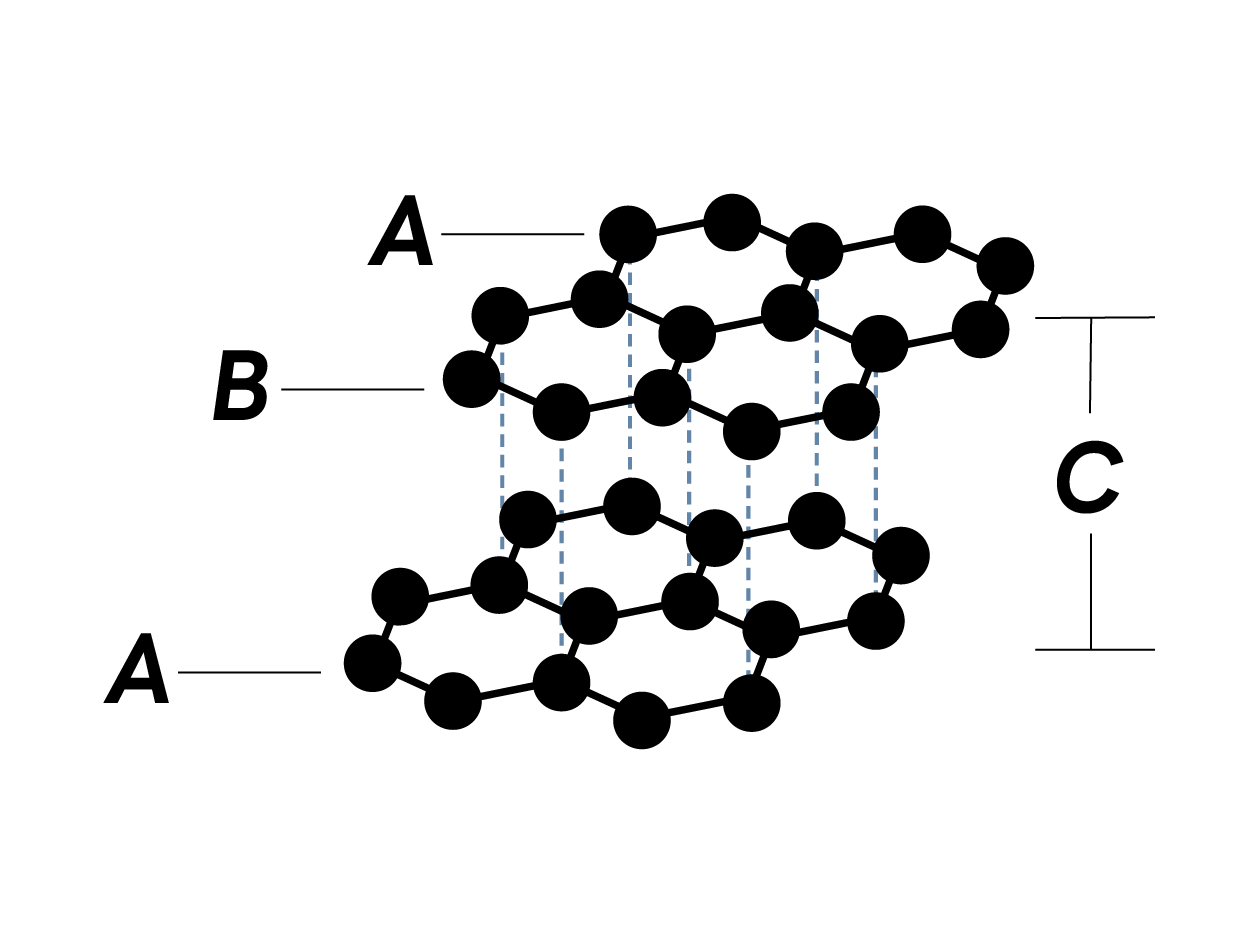
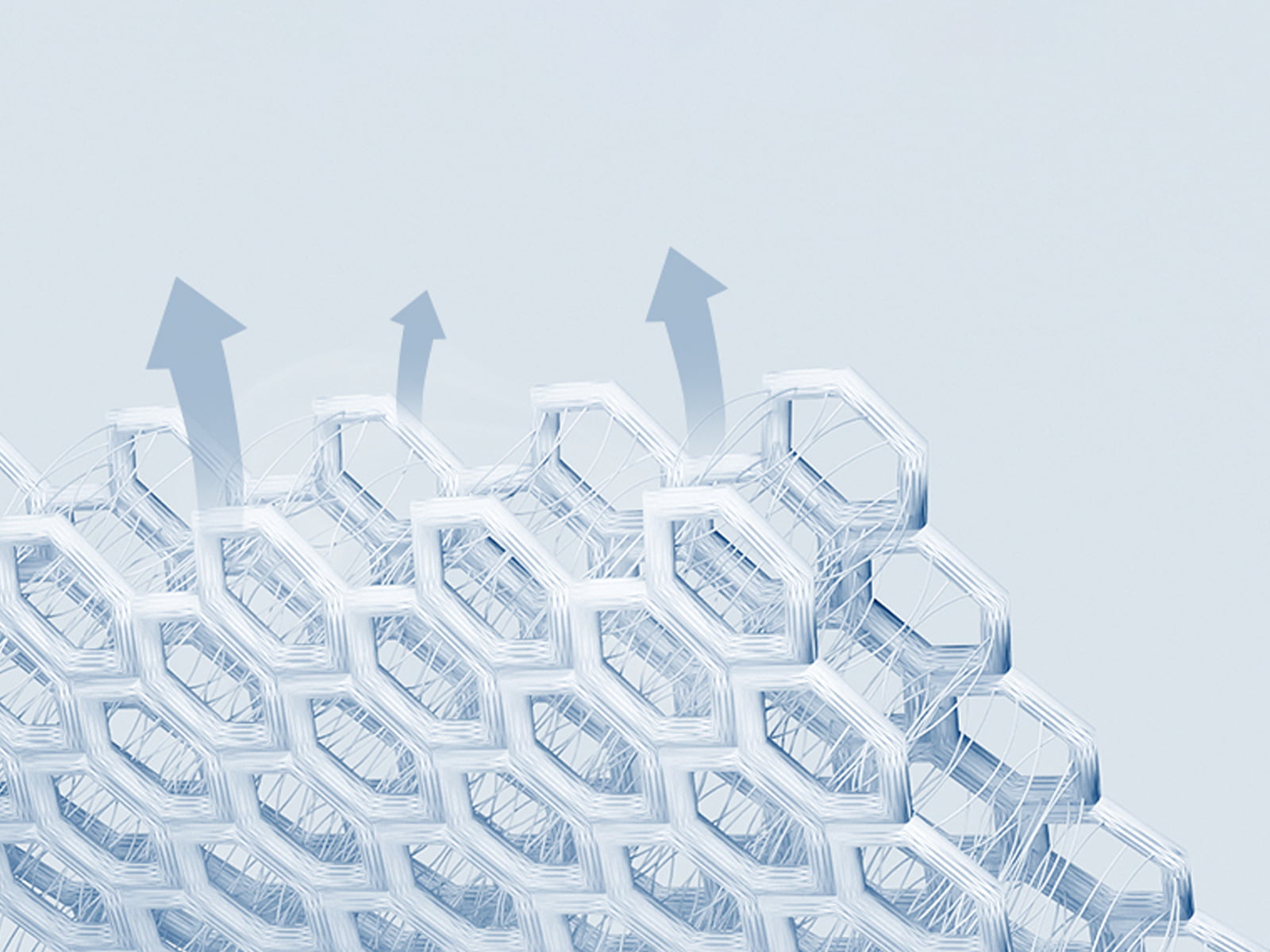
A single layer of carbon atoms arranged in a hexagonal lattice.
Graphene is an allotrope of carbon made from a single layer of atoms arranged in a hexagonal nanostructure. Its name combines graphite with the suffix “-ene”, reflecting its relationship with the carbon structure found in graphite.
Graphene is the world's first two-dimensional material and is one of the thinnest, strongest and most flexible materials known. It is a two-dimensional carbon nanomaterial made from carbon atoms connected through sp² hybridized bonds in a hexagonal honeycomb lattice.
Graphene has notable optical, electrical, thermal and mechanical properties. These characteristics have created opportunities in advanced materials, processing, microtechnology, nanotechnology, energy and other fields.
Because of this combination of properties, graphene is widely regarded as an important material for future technologies.
Mechanical properties
A single graphene layer is approximately 0.34 nanometres thick. Graphene also has exceptionally high mechanical strength, with reported intrinsic strength of approximately 130 GPa under experimental conditions.
Electrical properties
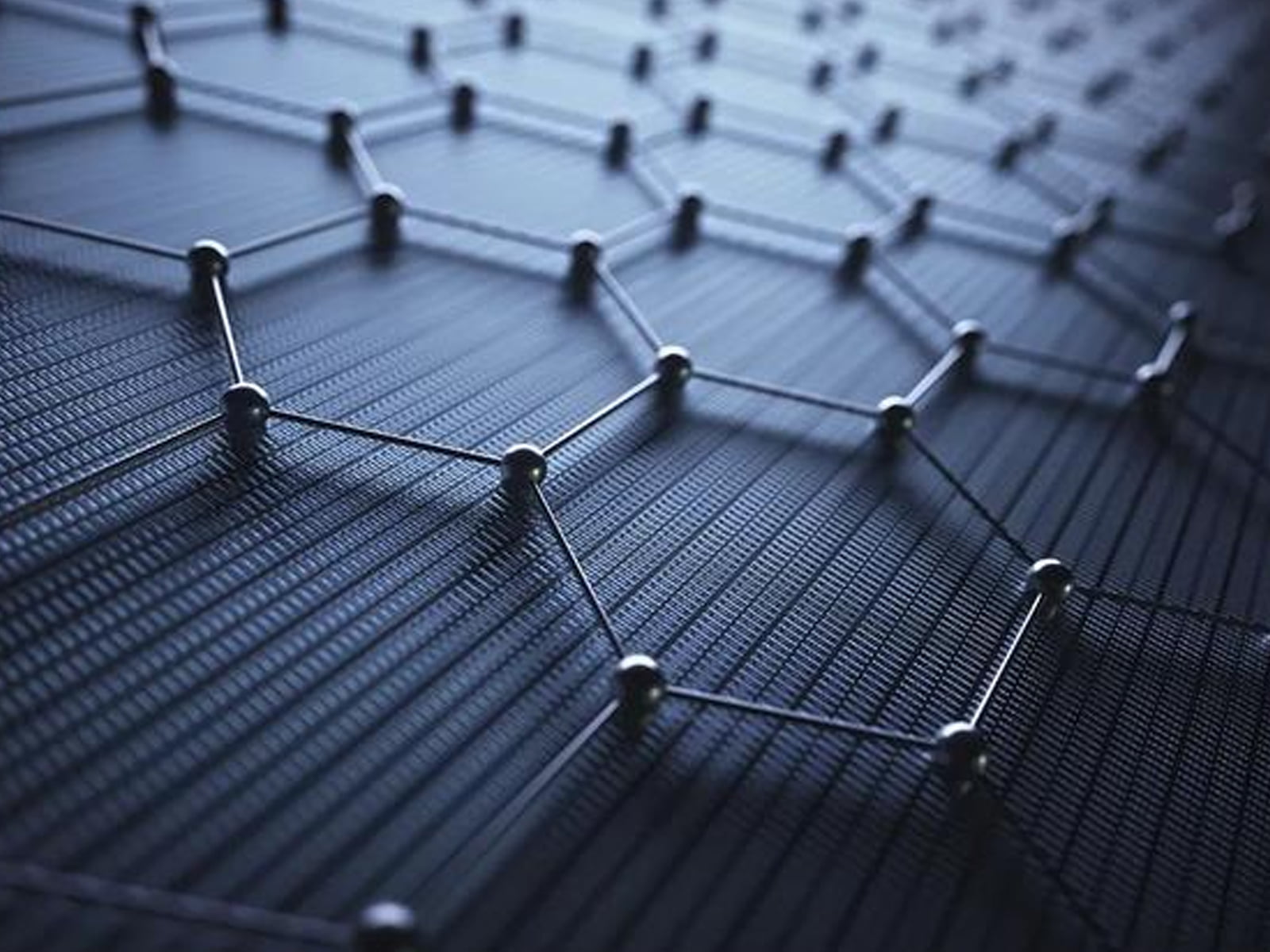
Electrons can move through graphene with low resistance. Graphene can provide high carrier mobility, which makes it useful for electrical and electronic applications.
Reported room-temperature carrier mobility can reach approximately 15,000 cm²/V·s under suitable conditions.
Thermal properties
Graphene has very high thermal conductivity. Reported values for high-quality single-layer graphene can reach several thousand watts per metre-kelvin under suitable experimental conditions.
This ability to move heat efficiently is one reason graphene-based materials are studied for thermal management and heating applications.
Flexible heating structures designed around the product.
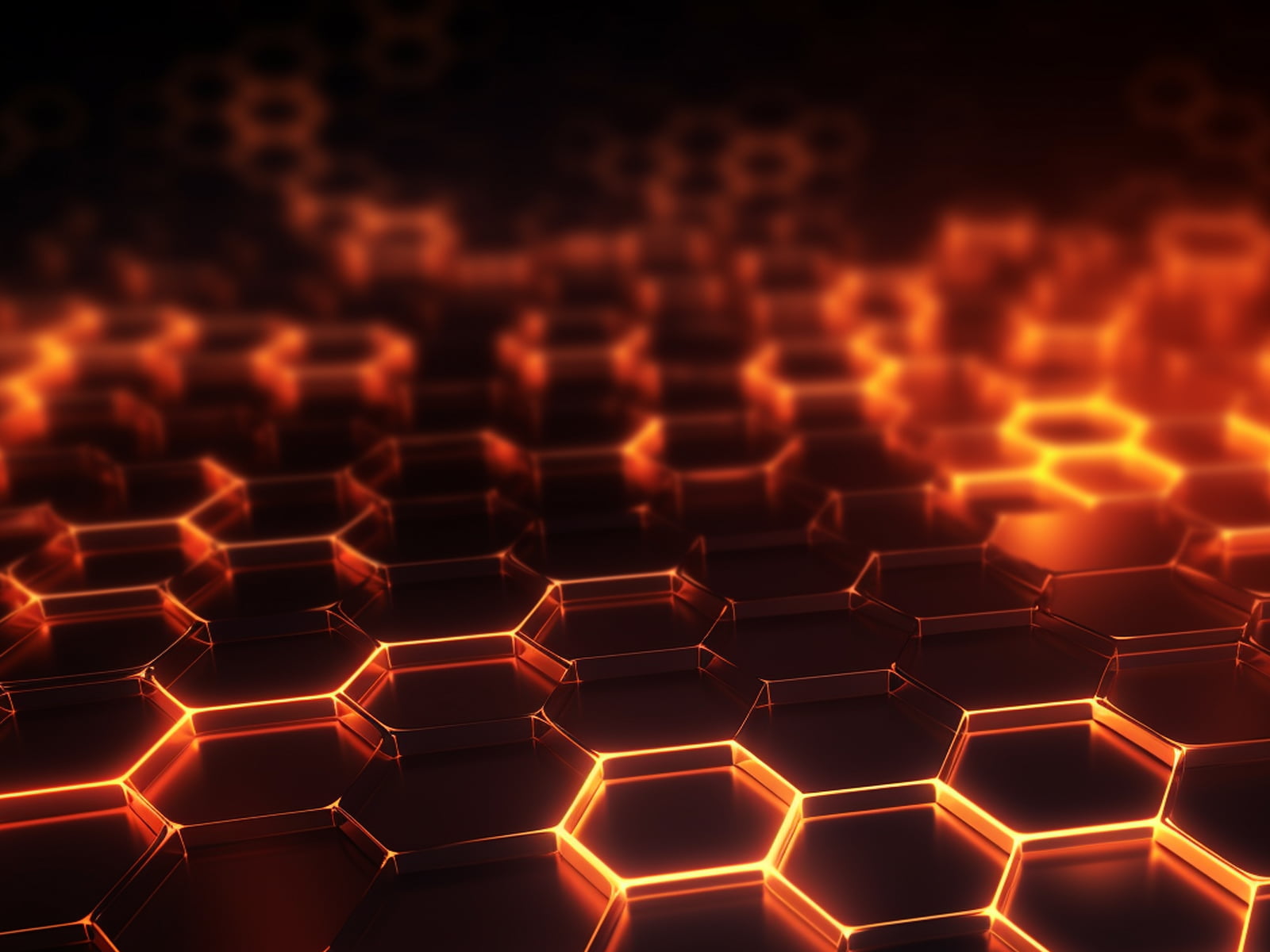
Graphene heating films combine conductive materials, circuit design, flexible substrates and protective structures in one thin heating element.
Wide-area heating
A designed conductive layer can distribute electrical heating across a defined surface instead of relying on one concentrated heating point.
This makes thin-film heating useful for textiles, cushions, wearable products and other applications that need a larger heating area.
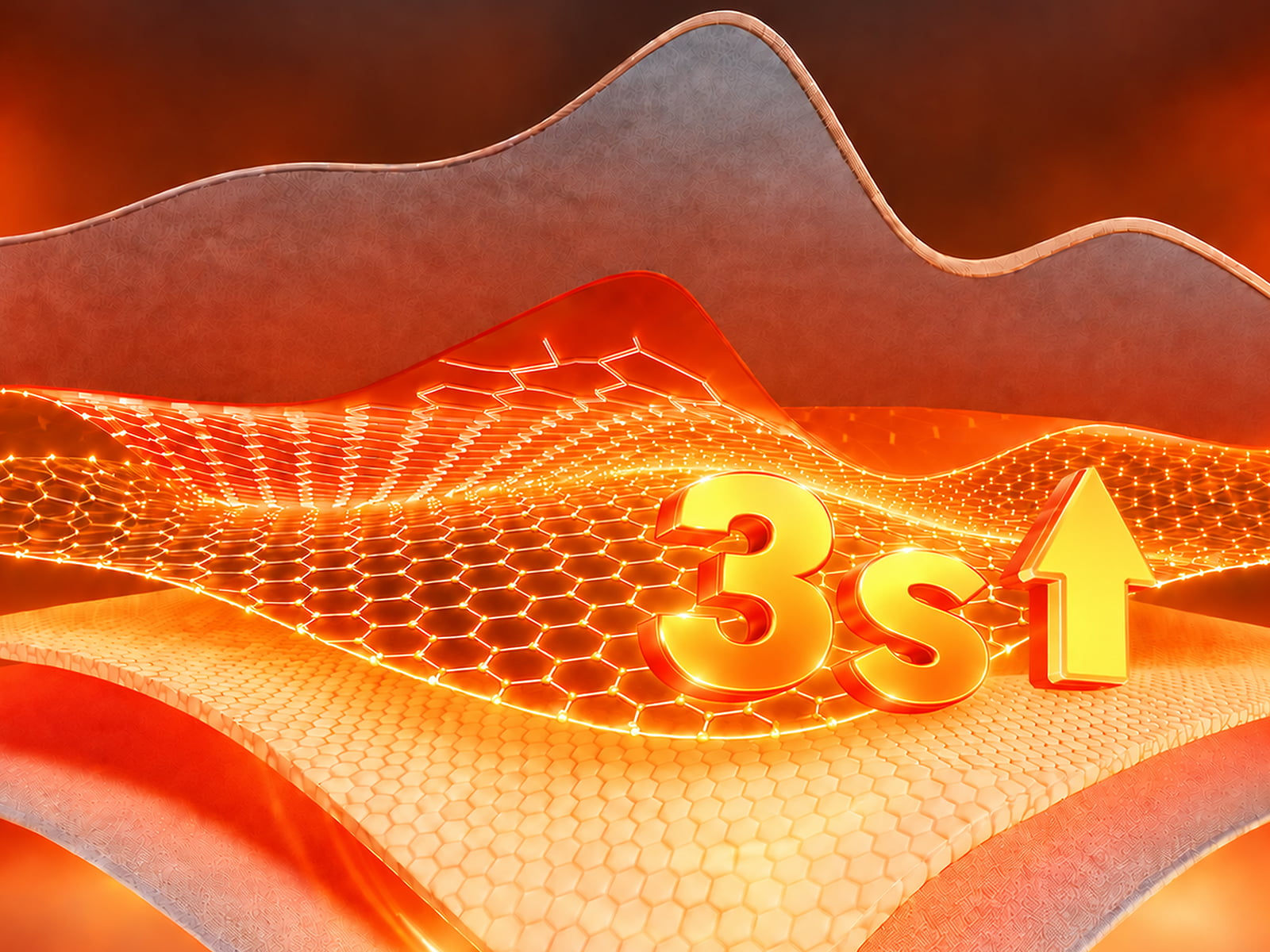
Fast heating response
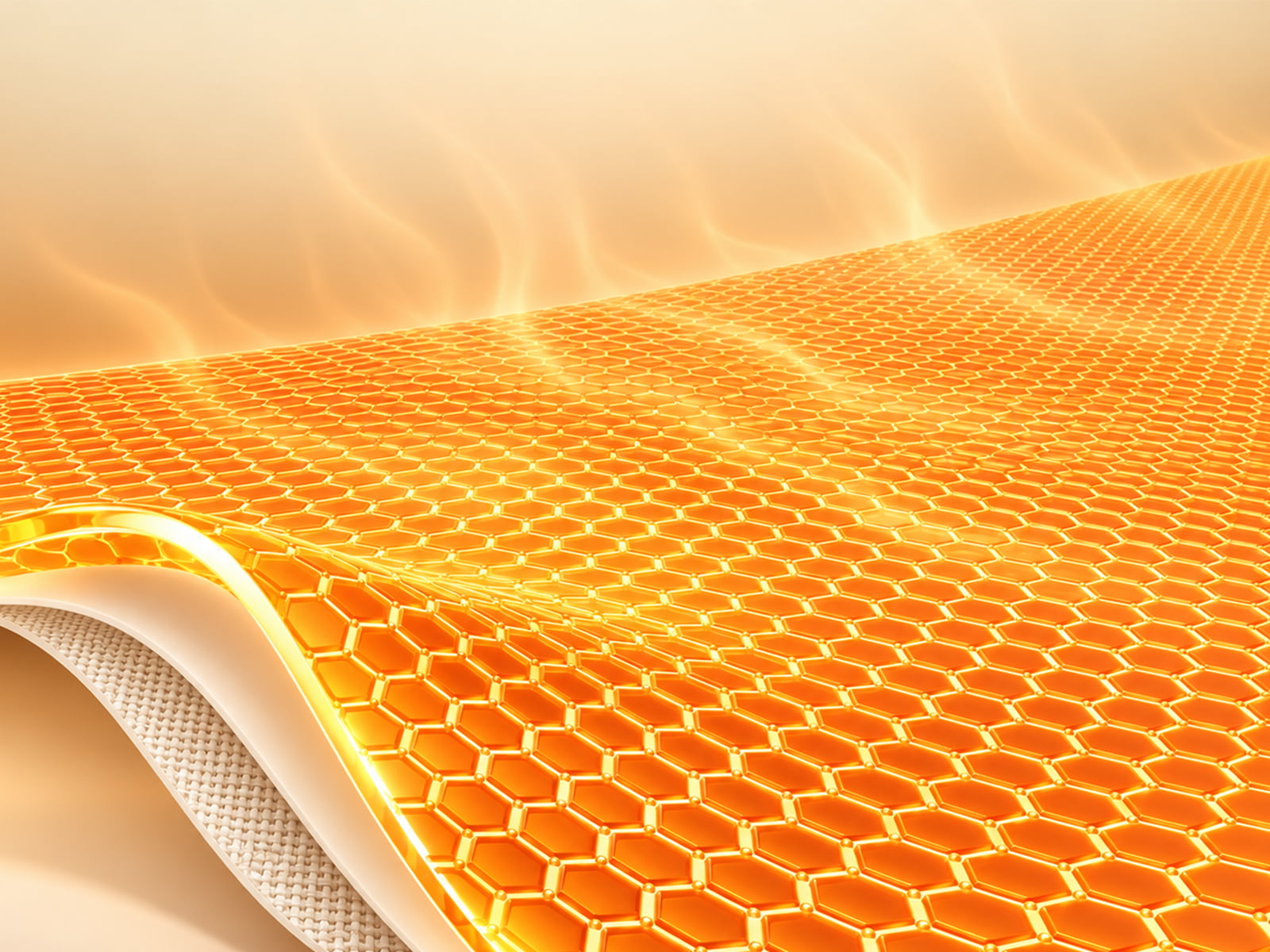
Thin heating structures have relatively low thermal mass. With a suitable electrical design, the heating area can respond quickly after power is applied.
Actual warm-up time depends on dimensions, voltage, power density, surrounding materials and the complete product construction.
Flexible integration
Heating-film size, shape, wiring position and protective layers can be developed around the final product.
This supports integration into textiles, wearable products, vehicle components, household products and other structures.

Graphene heating films for thermal-management applications.
PMA has developed and mass-produced large-area graphene heating films for use in a wide range of heating applications.
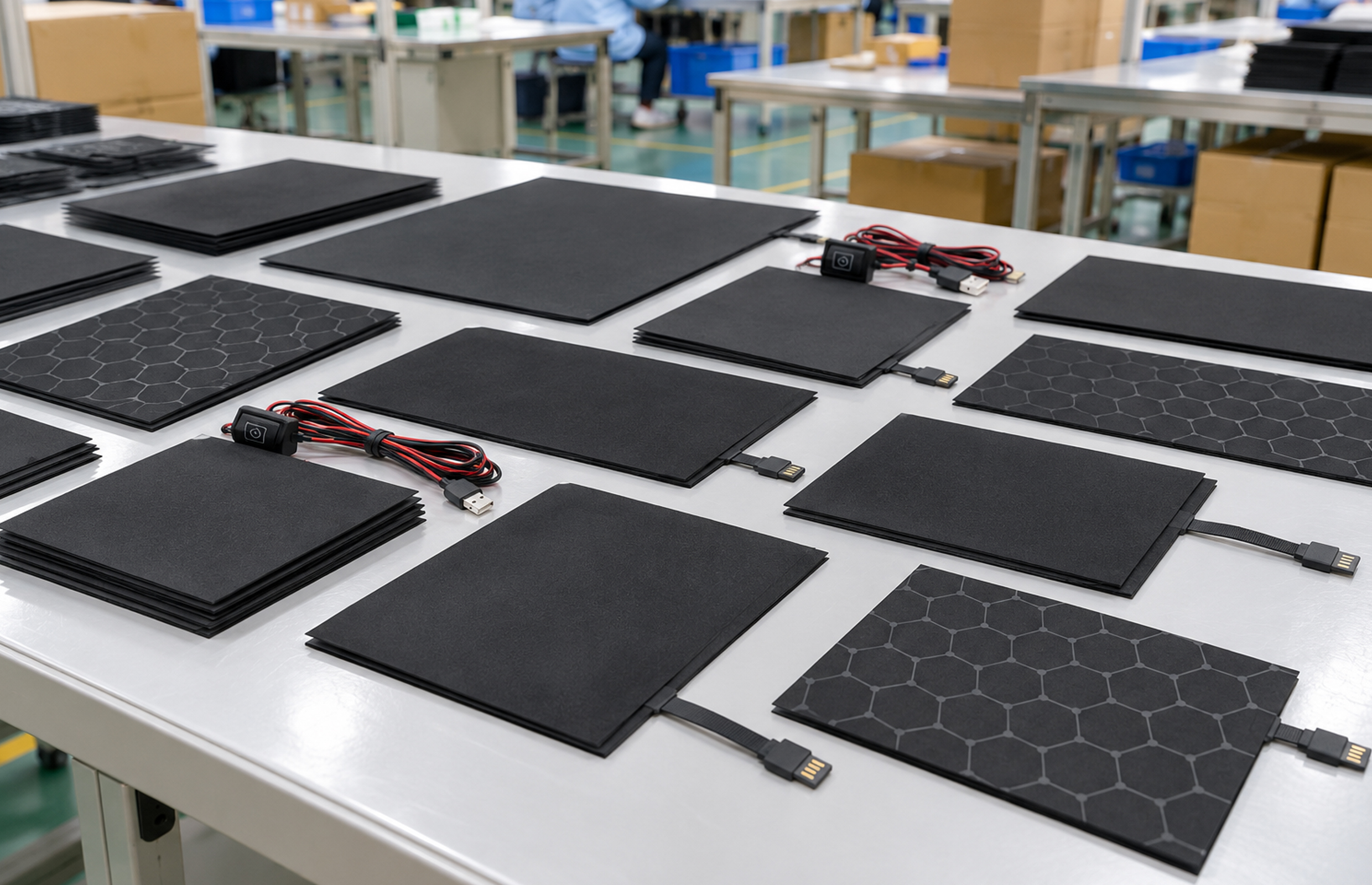
PMA uses its independently developed graphene conductive ink formulation to produce ultra-flexible graphene polymer composite conductive films through standardized production processes. The conductive film is combined with PI-based flexible printed circuit technology and encapsulation to form a complete flexible heating structure.
The resulting heating film is designed for fast heating, even temperature distribution, high electrical-to-heat conversion performance, flexibility and reliable operation. Actual specifications are defined according to the product and application.
Technical R&D Laboratory
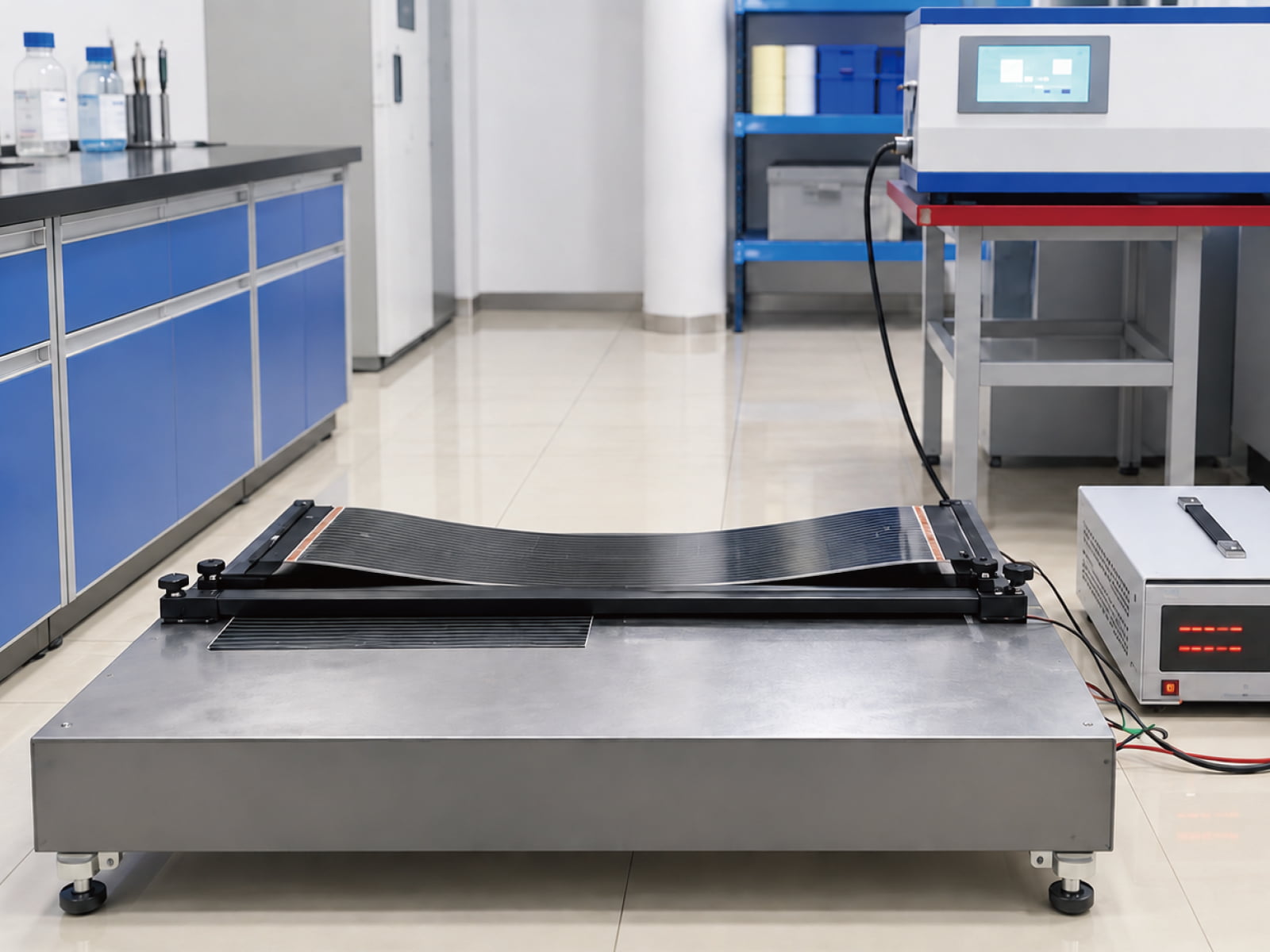
PMA Group operates a comprehensive graphene heating-film laboratory in East China. The laboratory supports the full development process for graphene heating films and also supports small-batch development of PI-based flexible graphene heating films and third-generation fabric-based heating films.
The laboratory can research, develop, verify and test flexible graphene heating films in different dimensions and shapes. It is also used to evaluate graphene heating-film applications in smart wearable clothing, health and wellness products, textiles, protective equipment and outdoor products.

Graphene heating applications
PMA Group has developed graphene heating products for different application areas. Examples include heated waist belts and heated neck pads for personal wellness products; heated vests and heated jackets for clothing; heated blankets and heated pillows for home use; and heated sleeping bags and heated gloves for outdoor use.
PMA also combines graphene heating technology with its independently developed heating-management systems for selected medical-device and equipment applications. Product design, testing and documentation depend on the specific device and intended use.
Application in medical equipment
PMA has applied its graphene electric heating-film technology and heating-management control approach to equipment used around hospital liquid-oxygen vaporization systems.
The heating structure is designed to reduce ice buildup that can affect the vaporizer during operation, helping maintain normal vaporization and reducing the need for manual de-icing.


Application in new energy vehicles
Lithium-ion batteries used in new energy vehicles can experience reduced performance at low temperatures. Battery systems may therefore require thermal management before or during low-temperature operation.
Common battery-heating methods include liquid circulation, ceramic heaters and metal heating structures. PMA has developed graphene heating modules as another option for battery thermal management, with a focus on stable energy use, low weight and practical integration.
New-generation graphene heating film
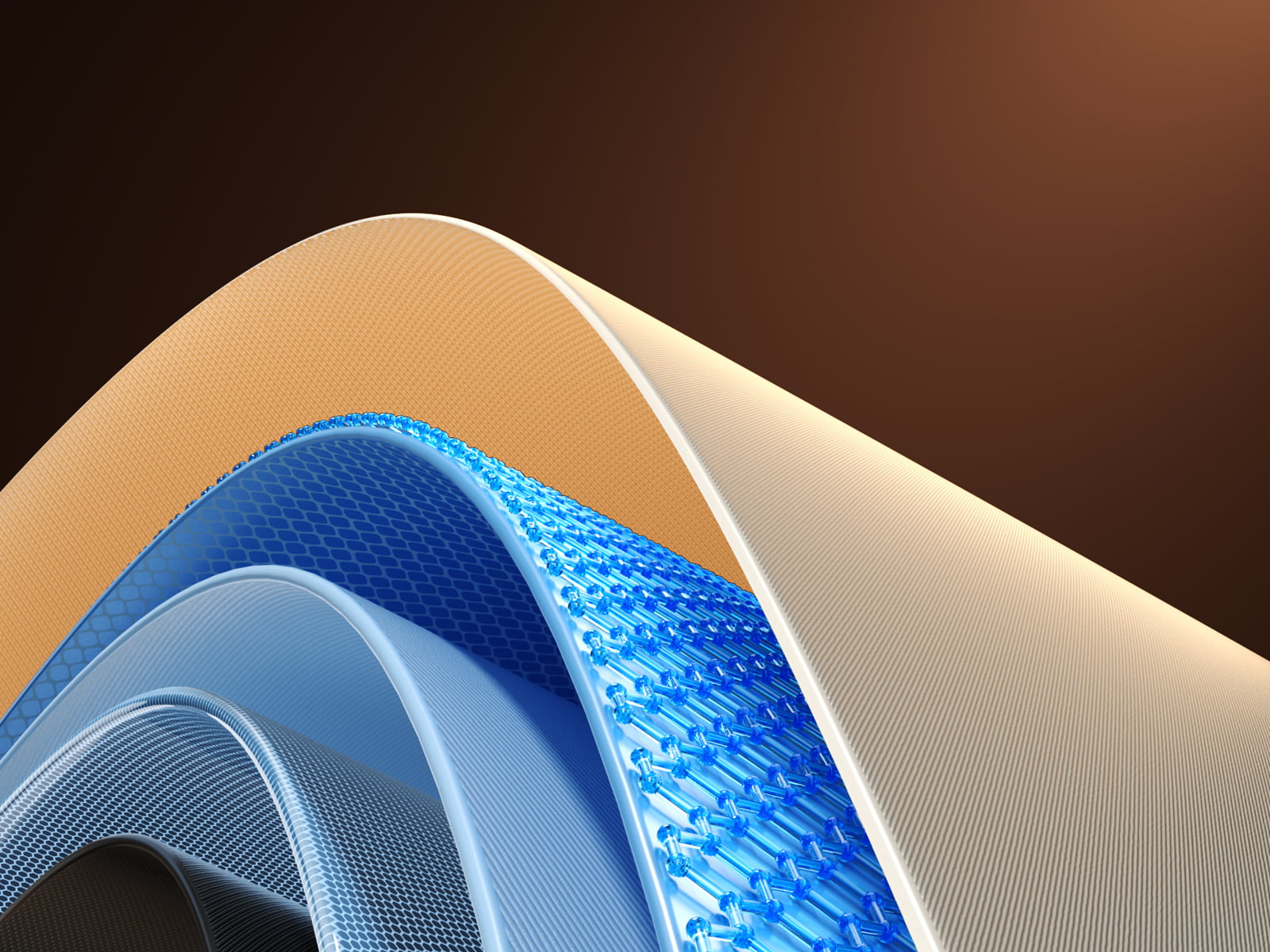
PMA's new-generation flexible heating structure combines graphene conductive film, an FPC circuit board and a waterproof fabric-based encapsulation structure.
The design focuses on improving water resistance, wash durability, flexibility and the ability to produce larger heating areas for textile and wearable applications.
Core technologies
A fabric encapsulation structure designed to improve water resistance.
A high-reliability flexible FPC circuit design developed to improve wash durability.
An ultra-thin and highly flexible graphene conductive film.
Technical advantages
Supports the development of larger flexible heating areas.
The flexible structure is designed to reduce unwanted noise during bending and repeated movement.
Two manufacturing bases for graphene heating films and finished heating products.
PMA operates manufacturing facilities for graphene heating films and graphene-based heating products, covering film production, electrical integration, product assembly, inspection and production-scale delivery.
In June 2026, PMA entered the U.S. Nasdaq capital market, marking a new stage in the group's international, capital-market and industrial development.
After the Dezhou manufacturing base became the first in China to develop and mass-produce large-area graphene heating film, PMA continued to expand its production capacity with the Tai'an manufacturing base, which officially began production in September 2024.
Large-area graphene heating-film production.
The Dezhou manufacturing base was the first in China to achieve the development and mass production of large-area graphene heating film. It serves as a manufacturing base for graphene heating films and thermal-management application products.
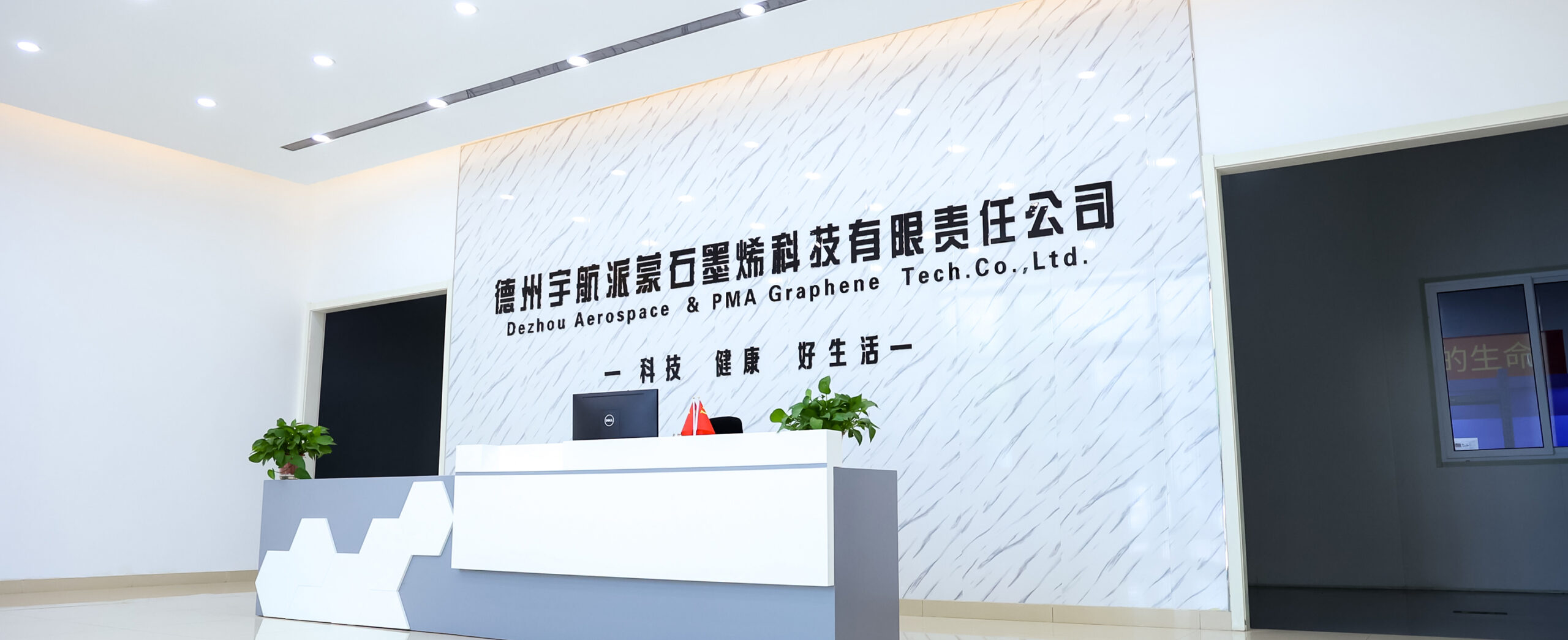
The base established production capabilities for graphene heating and thermal-management films, together with automated production and assembly processes for finished heating products.
Intelligent manufacturing for large-scale graphene heating products.
PMA's Tai'an manufacturing base officially began production in September 2024. The project has a total investment of RMB 500 million and covers approximately 55 mu.
The base was independently planned around an intelligent graphene heating-film production system. In 2025, it obtained IATF 16949 automotive quality-management-system certification.
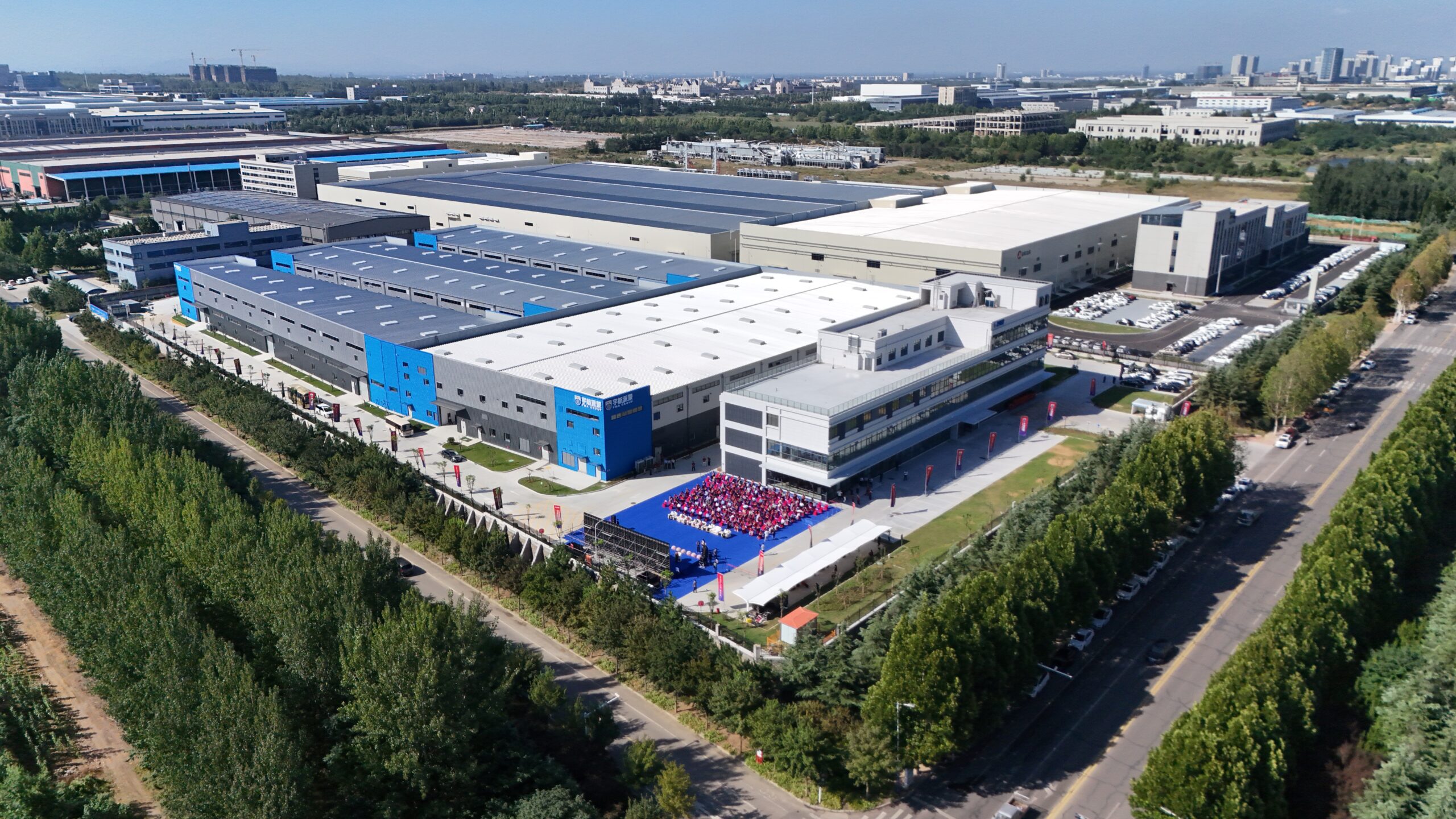
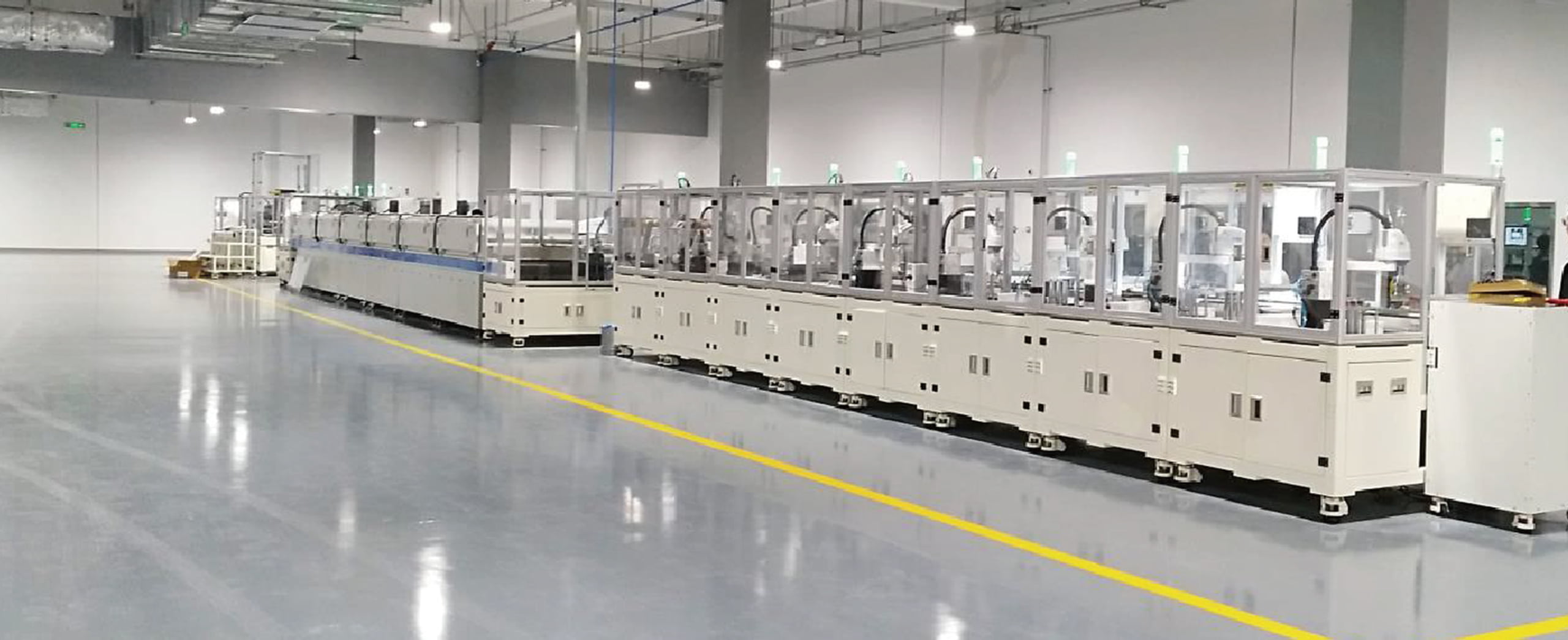
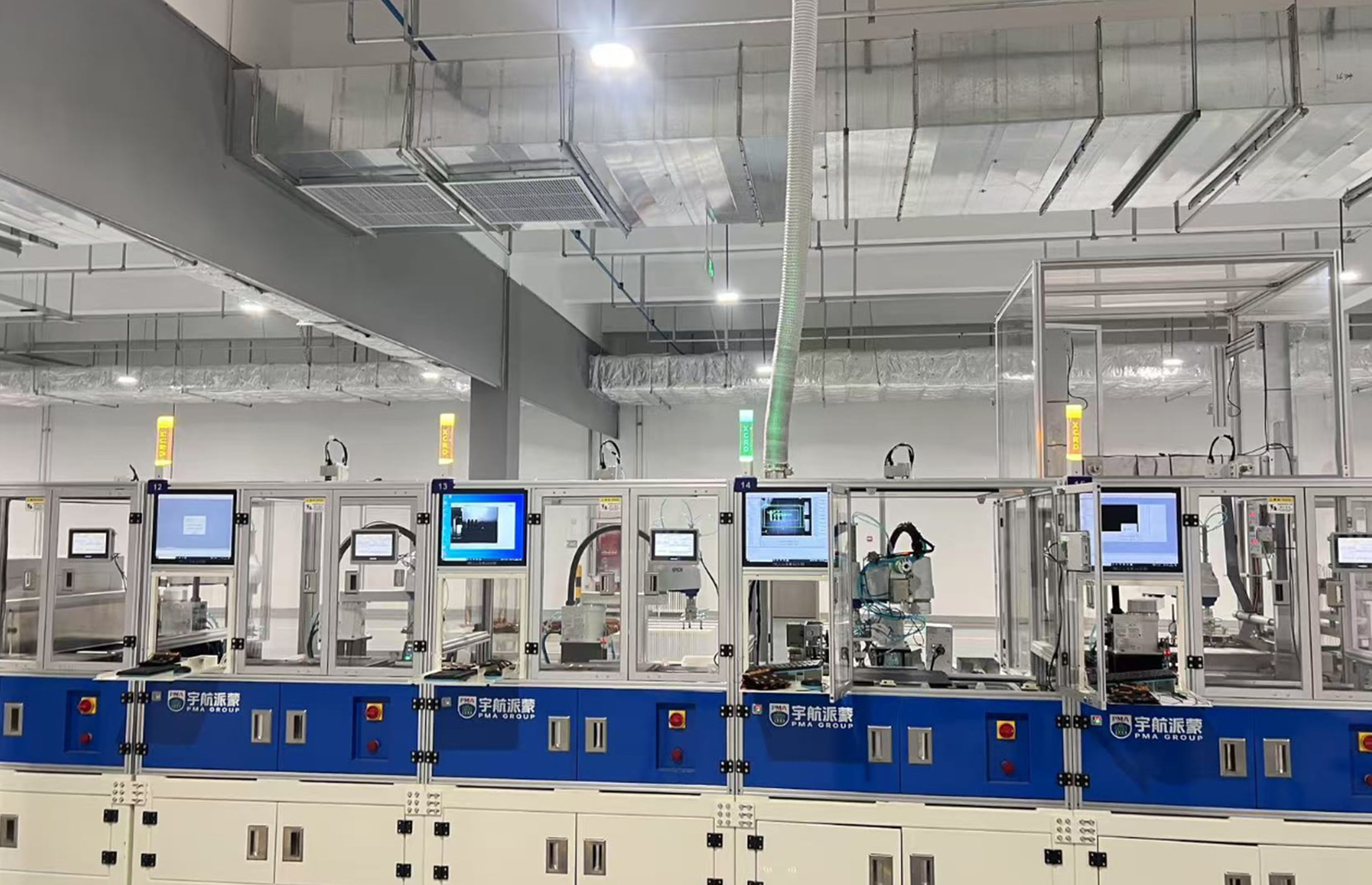
The production system is designed to connect material processing, film manufacturing, electrical integration, production inspection and finished-product manufacturing in a more automated production process.
From graphene film to finished heating products.
The Tai'an base is equipped with more than 15 graphene film and nanomaterial production lines together with production lines for intelligent graphene heating terminal products.
Graphene material processing
Production starts from defined graphene conductive materials and formulations according to the required film structure.
Heating-film manufacturing
Conductive layers, film dimensions, circuits and electrical parameters are produced according to the confirmed product requirements.
Electrical integration
FPC circuits, electrical connections, wiring, protective layers and control components can be integrated around the final application.
Finished-product production
Heating elements can be integrated into selected textile, wearable, home, automotive and other application products.
Production follows the confirmed product specification.
Material selection, film structure, circuit design, dimensions, electrical parameters, protective construction and assembly requirements are confirmed before production. Production and inspection then follow the agreed specification for the project.
Material preparation
Conductive materials and supporting structures are prepared according to the confirmed film design.
Film production
Heating films are produced around the required size, circuit structure, voltage and power parameters.
Integration and assembly
Electrical connections, FPC structures, protection, wiring and finished-product integration are completed.
Inspection and verification
Products are reviewed against the confirmed electrical, structural and application requirements before delivery.