Graphene material technology
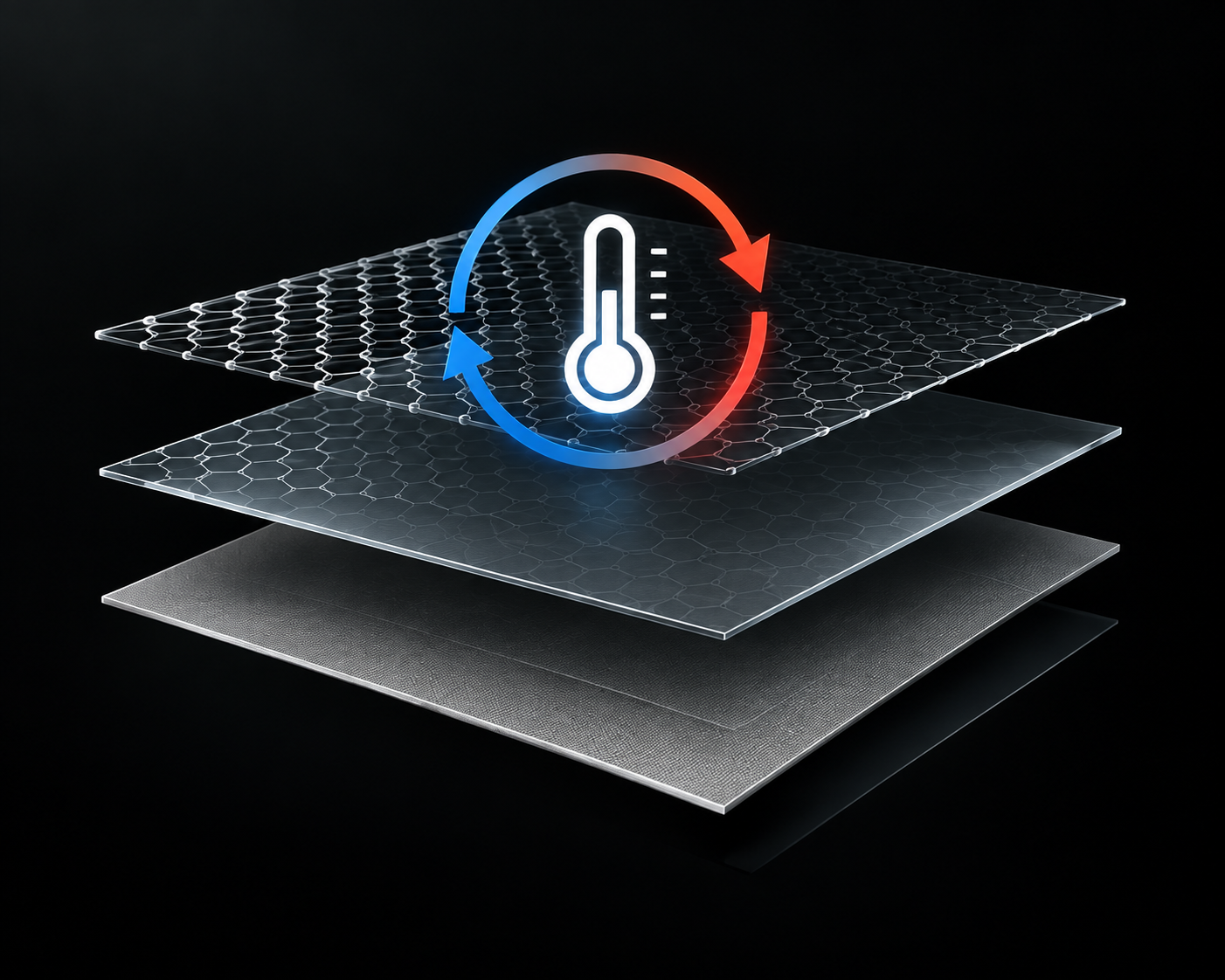
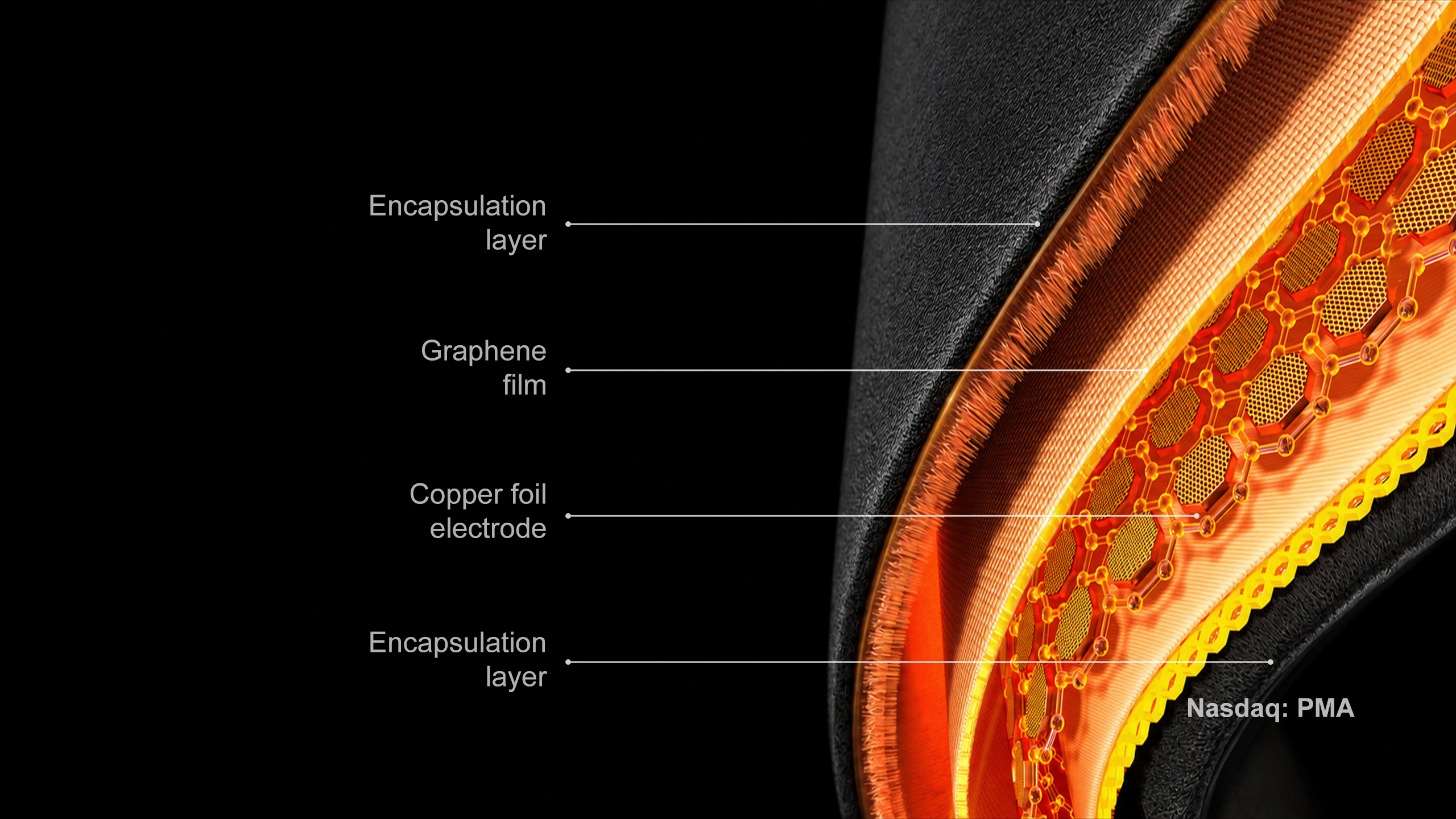
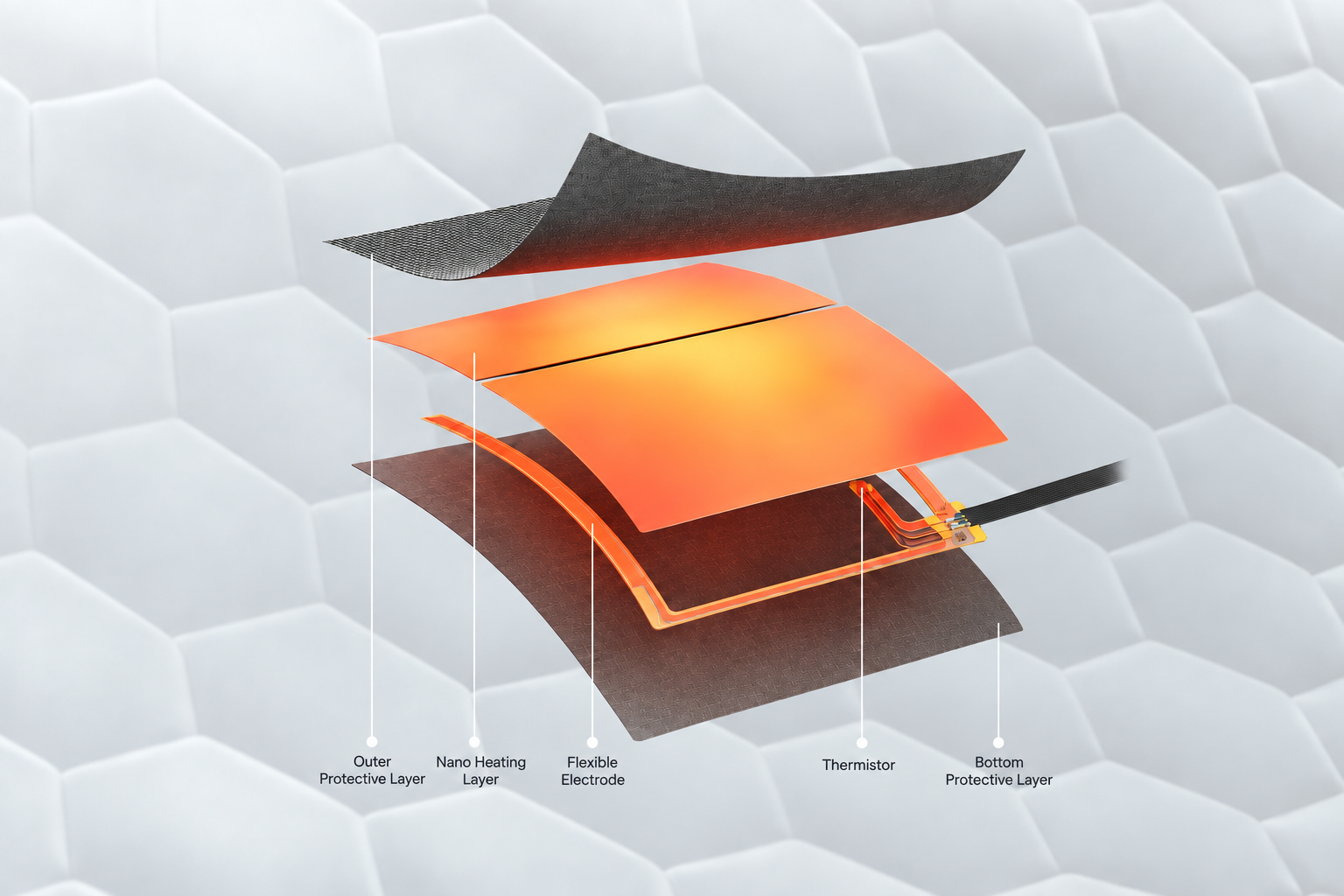
Graphene heating film structure
Graphene heating working principle

Graphite is composed of layers of carbon atoms that are arranged in 6-membered, hexagonal rings. These rings are attached to one another on their edges. Layers of fused rings can be modeled as an infinite series of fused benzene rings (without the hydrogen atoms). Carbon atoms in these ring arrays are in the sp2-hybridized state. In the sp2 molecular orbital model each carbon atom is attached to three other species, three other carbon atoms in the case of graphite. In this bonding mode the bond angle between adjacent carbon atoms is 120. These “ring arrays” are arranged in large sheets of carbon atoms, and individual sheets are known as graphene layers. The carbon-carbon bond length in a layer plane is 1.418. Graphene layers are stacked one on top of another parallel with the “C” crystallographic axis of the hexagonal 4-axis system in which graphite crystallizes.

About Graphene

A two-dimensional carbon material with exceptional thermal, electrical and mechanical properties.

Composed of self-developed graphene conductive film, flexible circuit board (FPC), and waterproof cloth packaging material. The heating area is larger, the flexibility is better, there is no abnormal noise when bending and rubbing, and it can be machine washed.

Graphene material structure
Graphene Properties

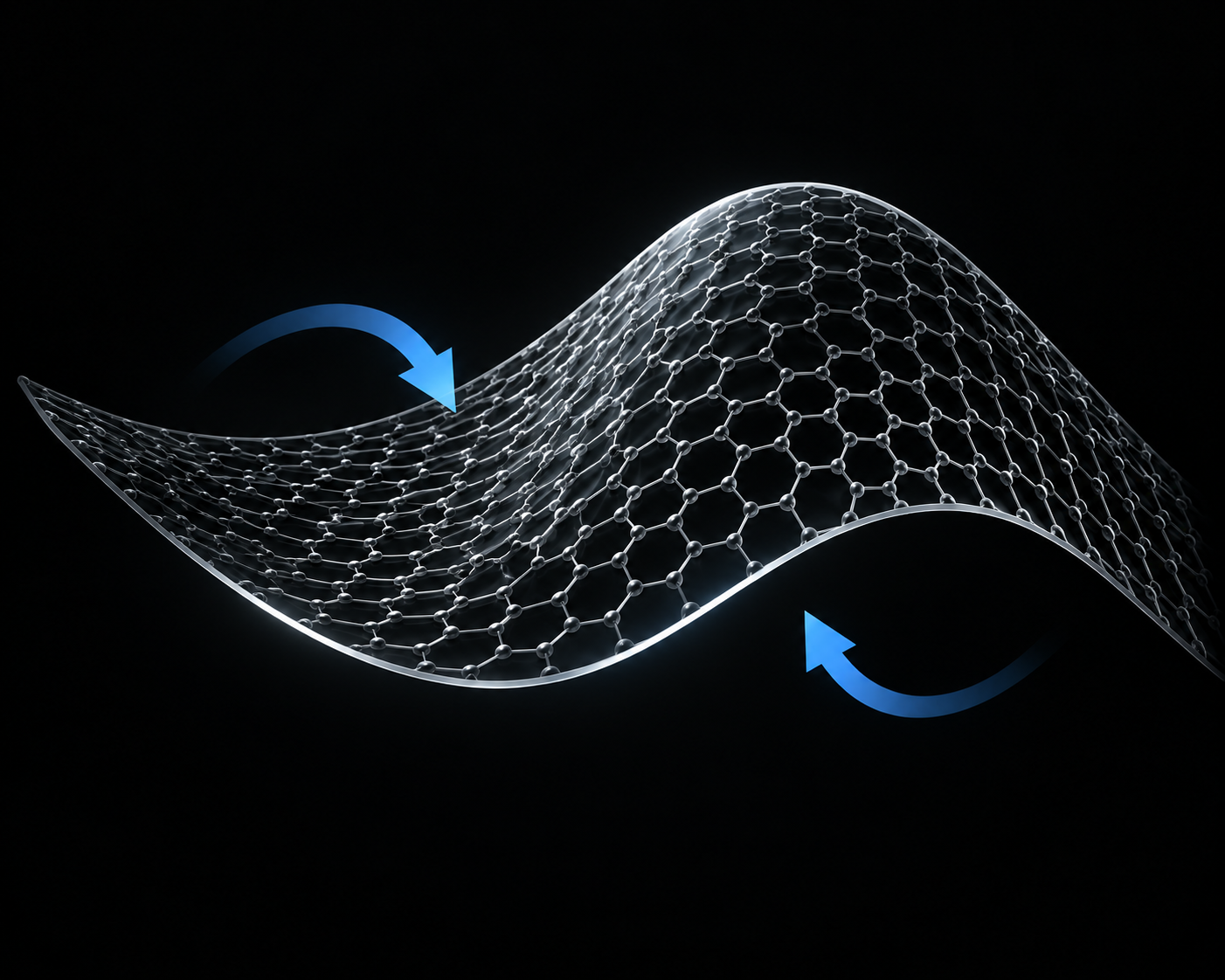
Graphene is an allotrope of carbon formed by a single layer of atoms arranged in a hexagonal lattice.

Its two-dimensional structure gives graphene an unusual combination of mechanical strength, high carrier mobility and extremely high thermal conductivity.

01

Mechanical Properties

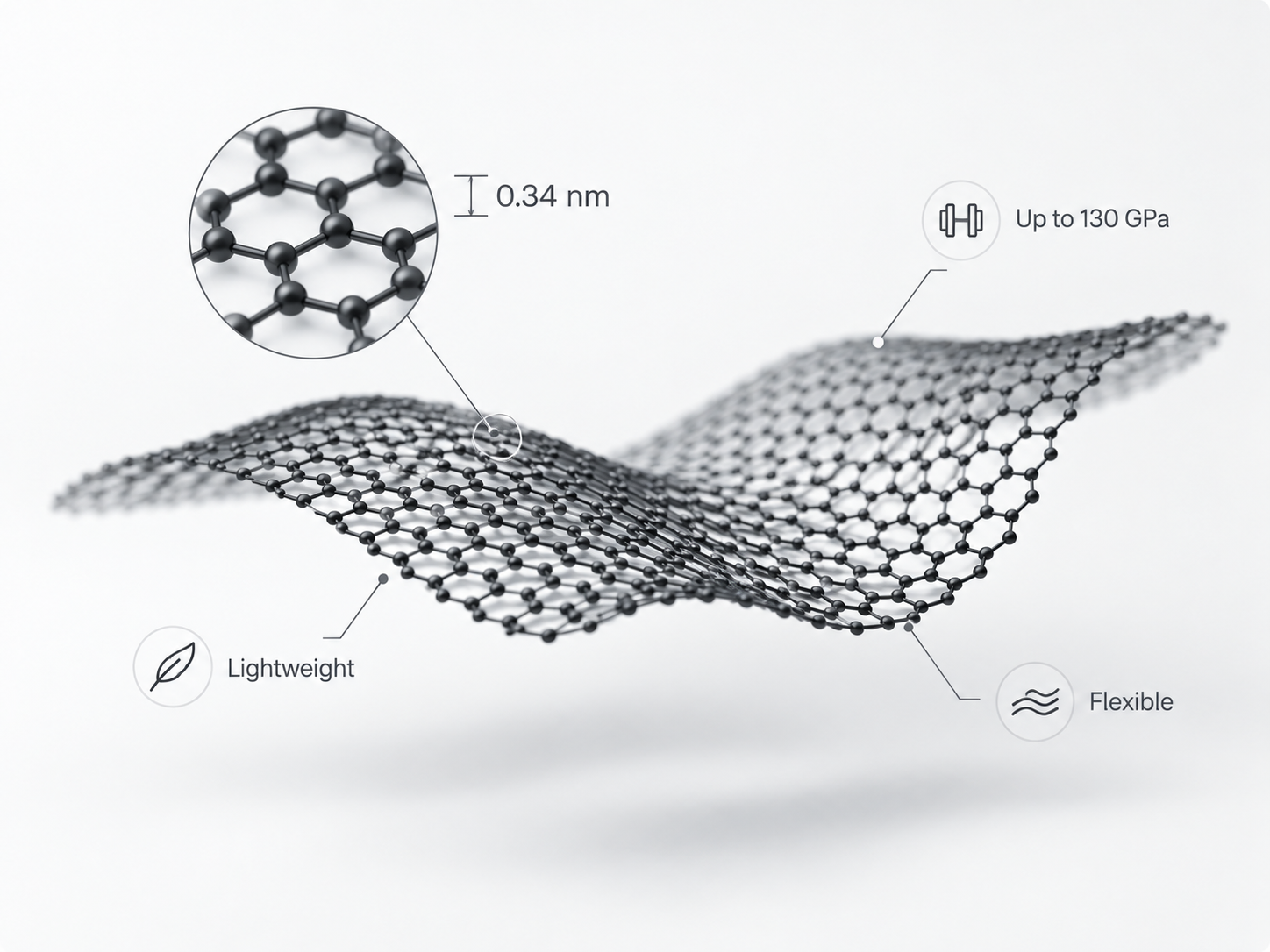
Graphene is approximately 0.34 nm thick and is among the strongest materials measured. Reported intrinsic tensile strength can reach about 130 GPa, while the material remains extremely lightweight and flexible.

  • Approx. 0.34 nm thick
  • Up to 130 GPa strength
  • Very lightweight
  • Highly flexible
Graphene mechanical properties
02

Electrical Performance

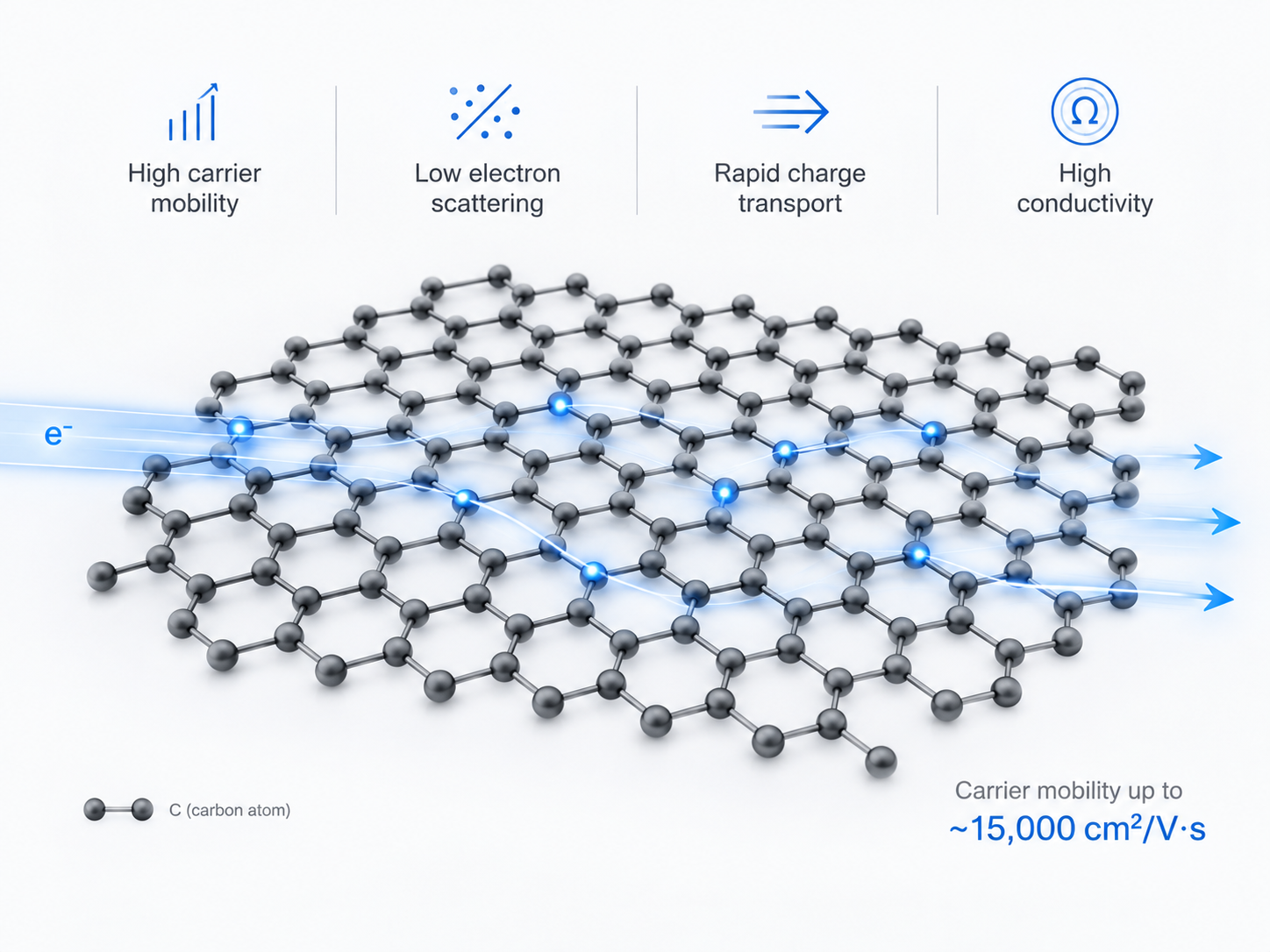
Graphene supports very high carrier mobility, allowing electrons to move with relatively low resistance through the material. Reported carrier mobility can reach around 15,000 cm²/V·s in practical reference conditions, substantially higher than conventional silicon.

  • High carrier mobility
  • Low electron scattering
  • Fast charge transport
  • Strong conductivity potential
Graphene electrical performance
03

Thermal Properties

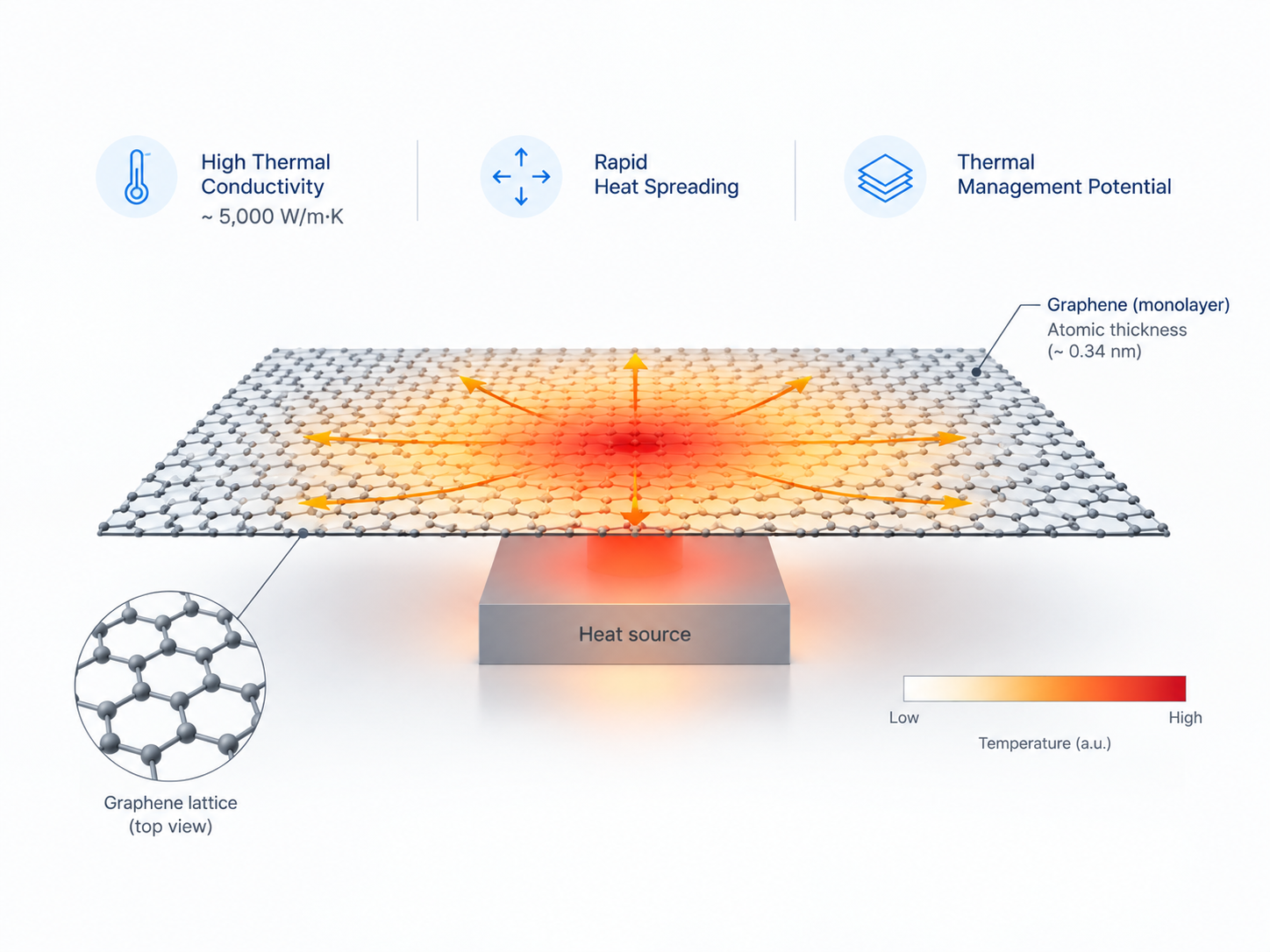
Monolayer graphene can exhibit extremely high thermal conductivity, with reported values reaching approximately 5,000 W/m·K under specific conditions. This makes graphene important for heat spreading and thermal-management research.

  • Up to ~5,000 W/m·K
  • Rapid heat spreading
  • High thermal response
  • Thermal-management potential
Graphene thermal properties

Graphene Heating Film Features

Graphene heating film rapid heating performance

Rapid Heating

Under the same temperature conditions, graphene heating film can reach the target temperature faster than many conventional electric heating materials.

Graphene heating film far-infrared radiation

Far-Infrared Heating

Graphene heating film can emit far-infrared radiation in the 6–14 μm range, depending on material structure and operating temperature. This range overlaps with part of the infrared spectrum emitted by the human body.

Flexible and bend-resistant graphene heating film

Flexible and Bend-Resistant

Fabric-based heating film remains soft and conformable with minimal foreign-body sensation. Performance remains stable after 100,000 bending cycles, helping reduce damage and electrical leakage risk.

Large-area graphene heating film

Large-Area Heating

Uniform heat distribution improves comfort and supports large-area applications such as electric blankets, heating mats and yoga mats.

Smart temperature control for graphene heating film

Smart Temperature Control

Precise and stable temperature control dynamically adapts to changing operating conditions and can compensate for temperature differences between sensing points.

Energy-efficient graphene heating film

Safe and Energy Efficient

Graphene heating film can achieve approximately 99% electrothermal conversion under specified conditions. Low-voltage operation can improve electrical safety, while system cost depends on structure, specification and production volume.

Application Fields

Graphene heating technology across different application environments.

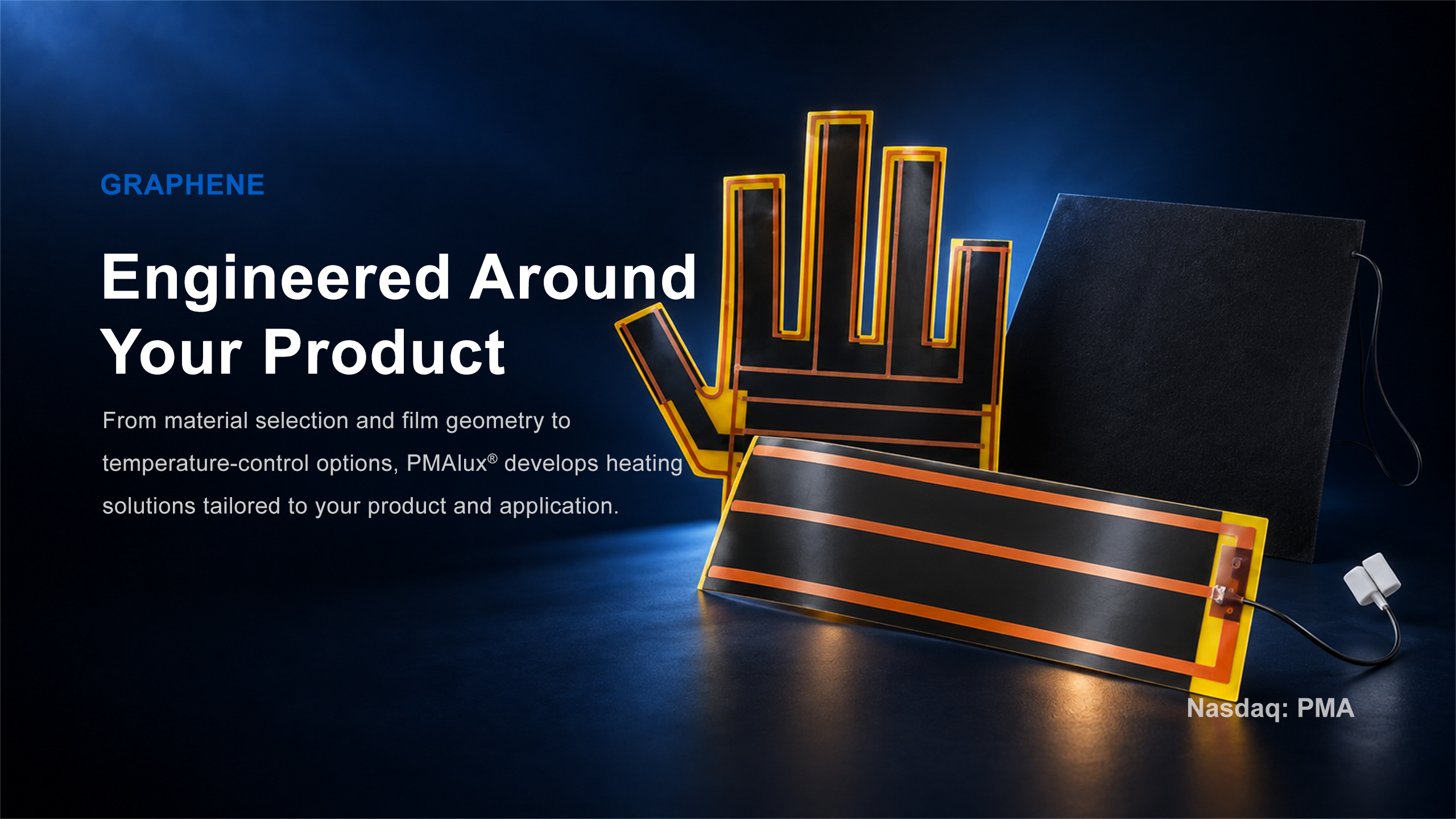
Flexible heating elements can be engineered around different installation spaces, operating temperatures, power requirements and product structures.

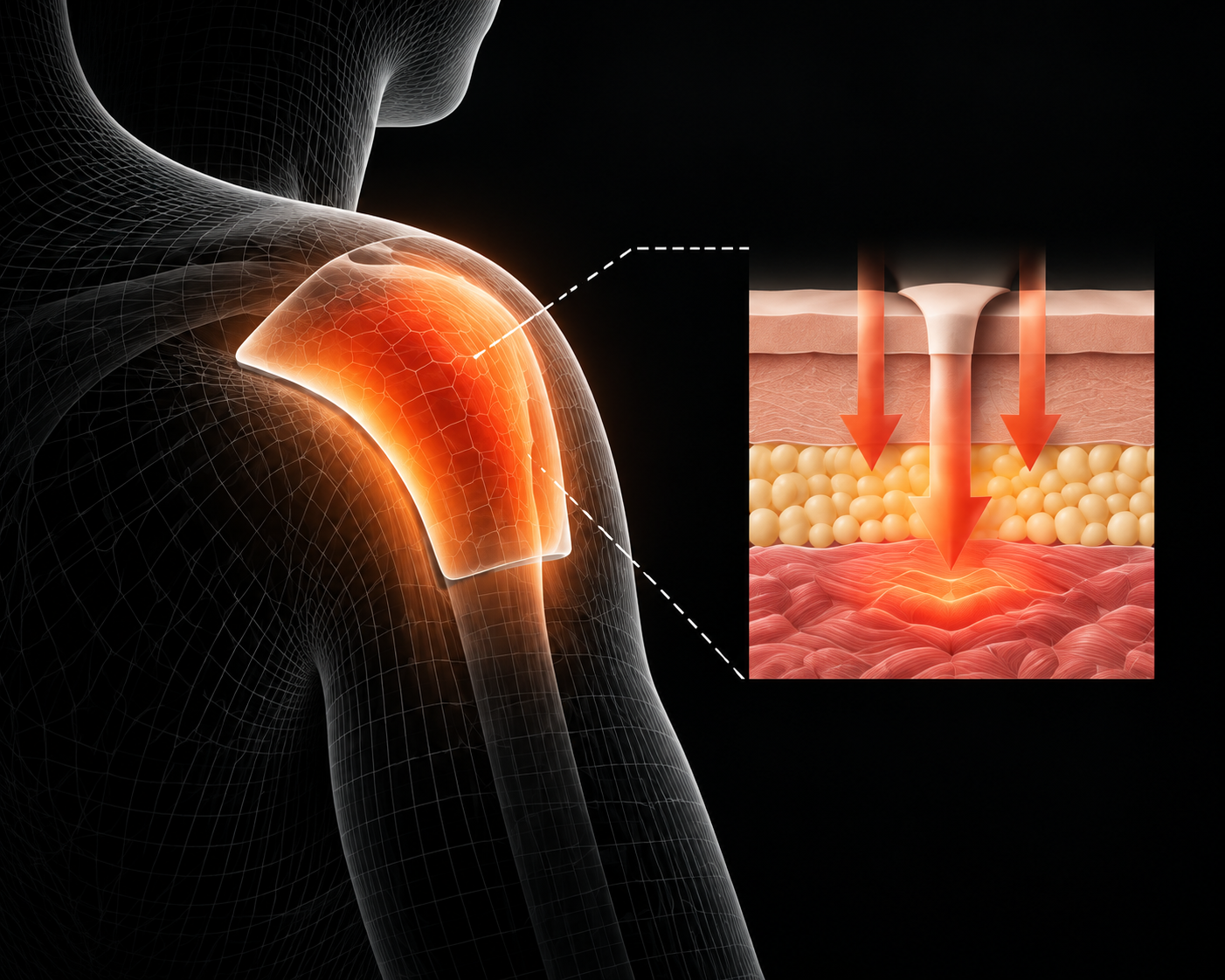
Health and medical applications

Health & Medical

Graphene’s thermal conductivity and flexible form factor support compact, controllable heating solutions for wellness, rehabilitation and selected medical-related product applications.

Home textile heating applications

Home Textiles

Flexible graphene heating can be integrated into cushions, seat pads, hand warmers, blankets and other home-textile products where even, lightweight heating is required.

Outdoor equipment heating applications

Outdoor Equipment

Graphene’s conductivity, flexibility and low thickness make it suitable for lightweight heating structures in garments, wearable gear and other outdoor equipment.

Automotive graphene thermal applications

Automotive

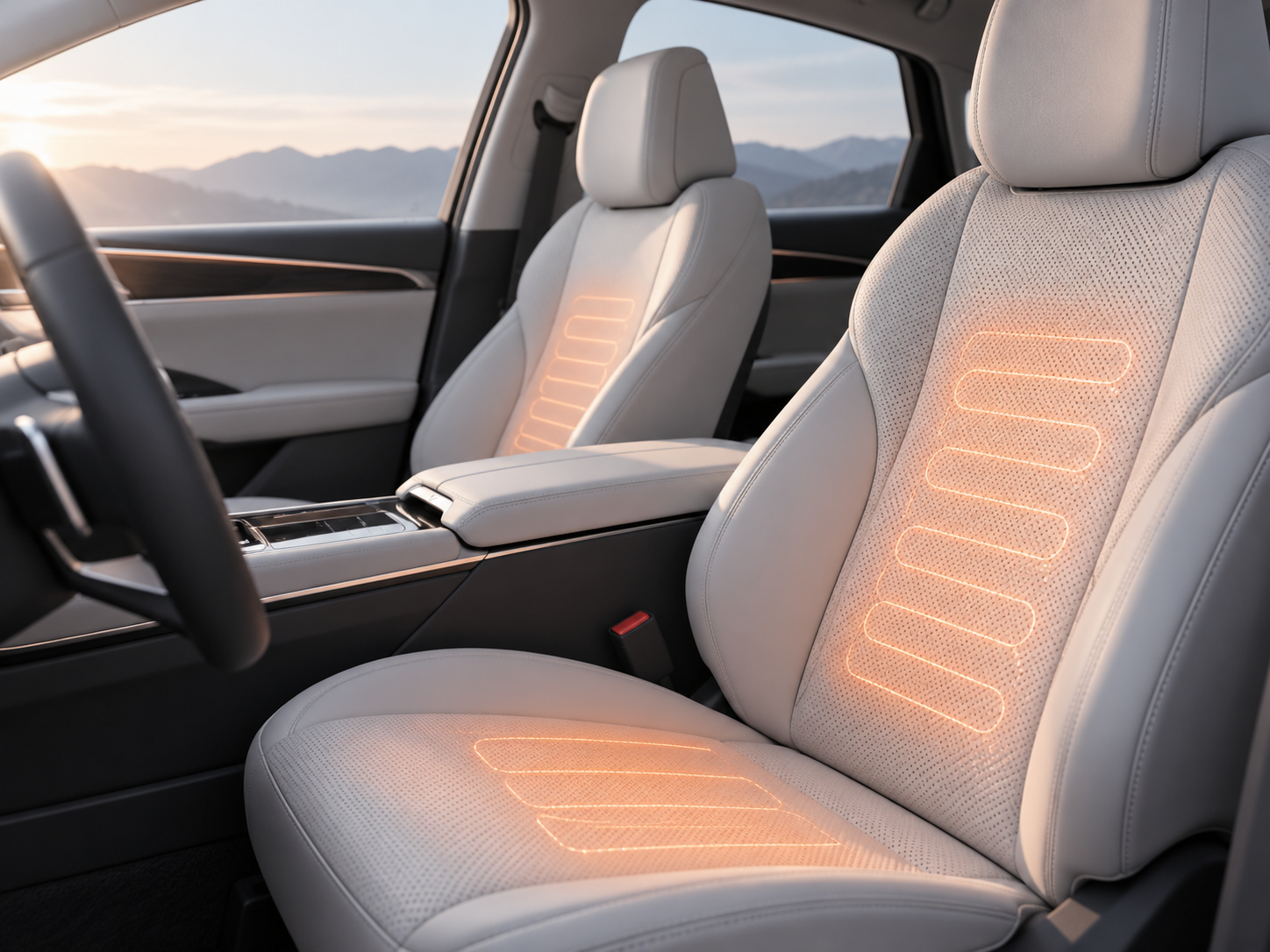
Graphene heating elements can support vehicle comfort and thermal-management functions, including application-specific heating for seats, surfaces, components and new-energy vehicle systems.

Certificates & Evidence

Supporting documentation for materials, systems and applications.

Selected certificates, test documentation and technical evidence can be reviewed according to the relevant product or project scope.

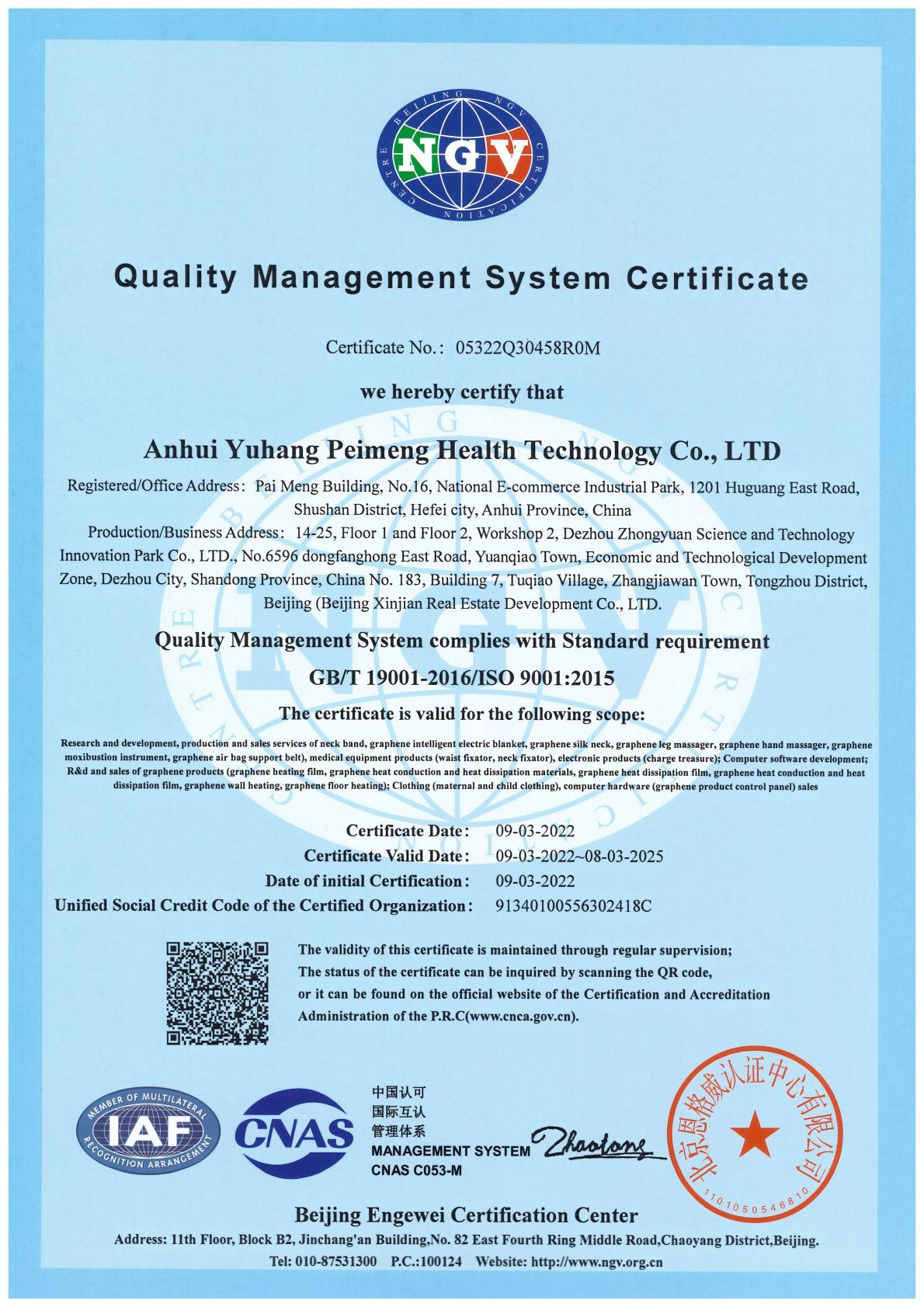
PMA ISO 9001 certificate
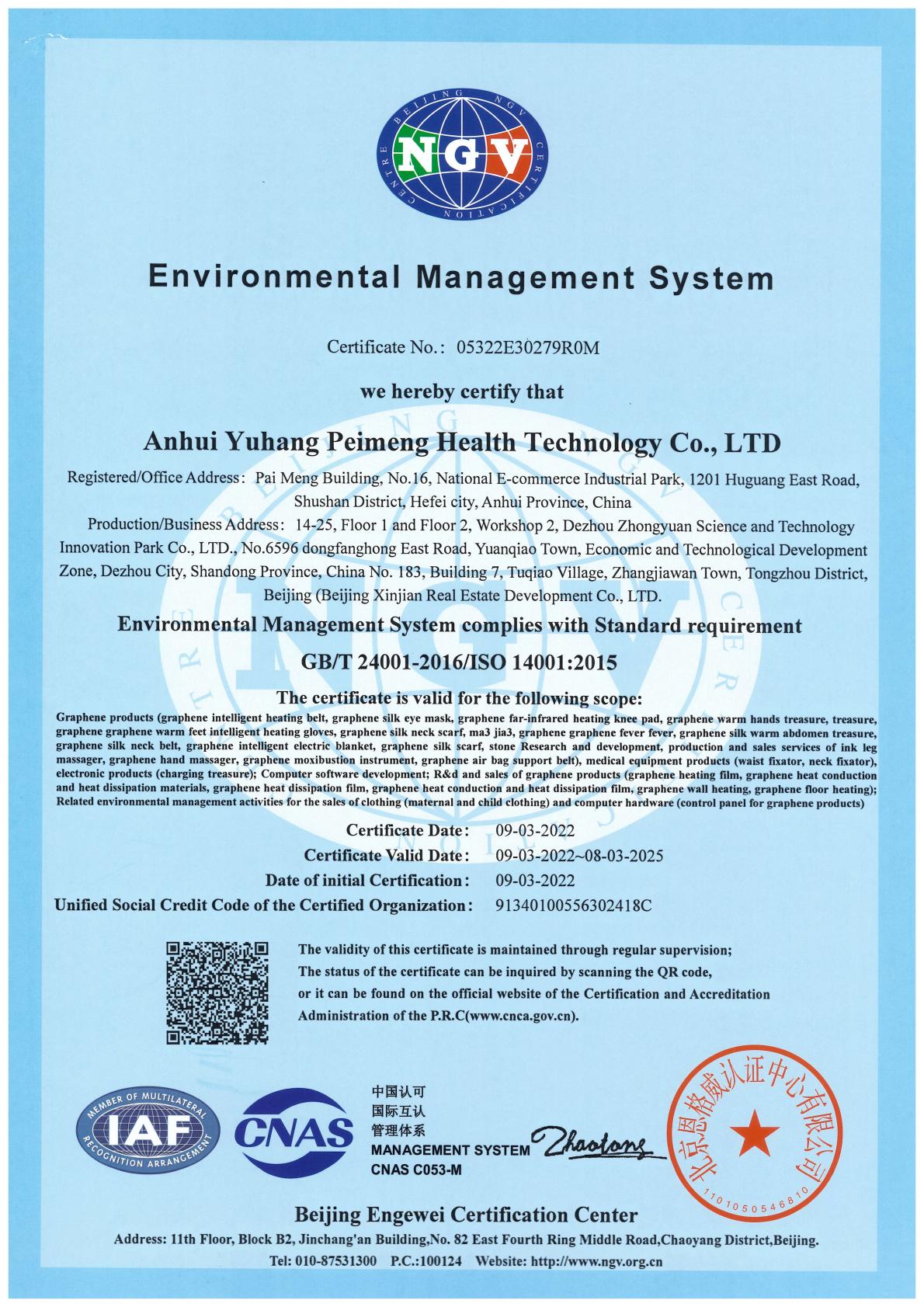
PMA ISO 14001 certificate
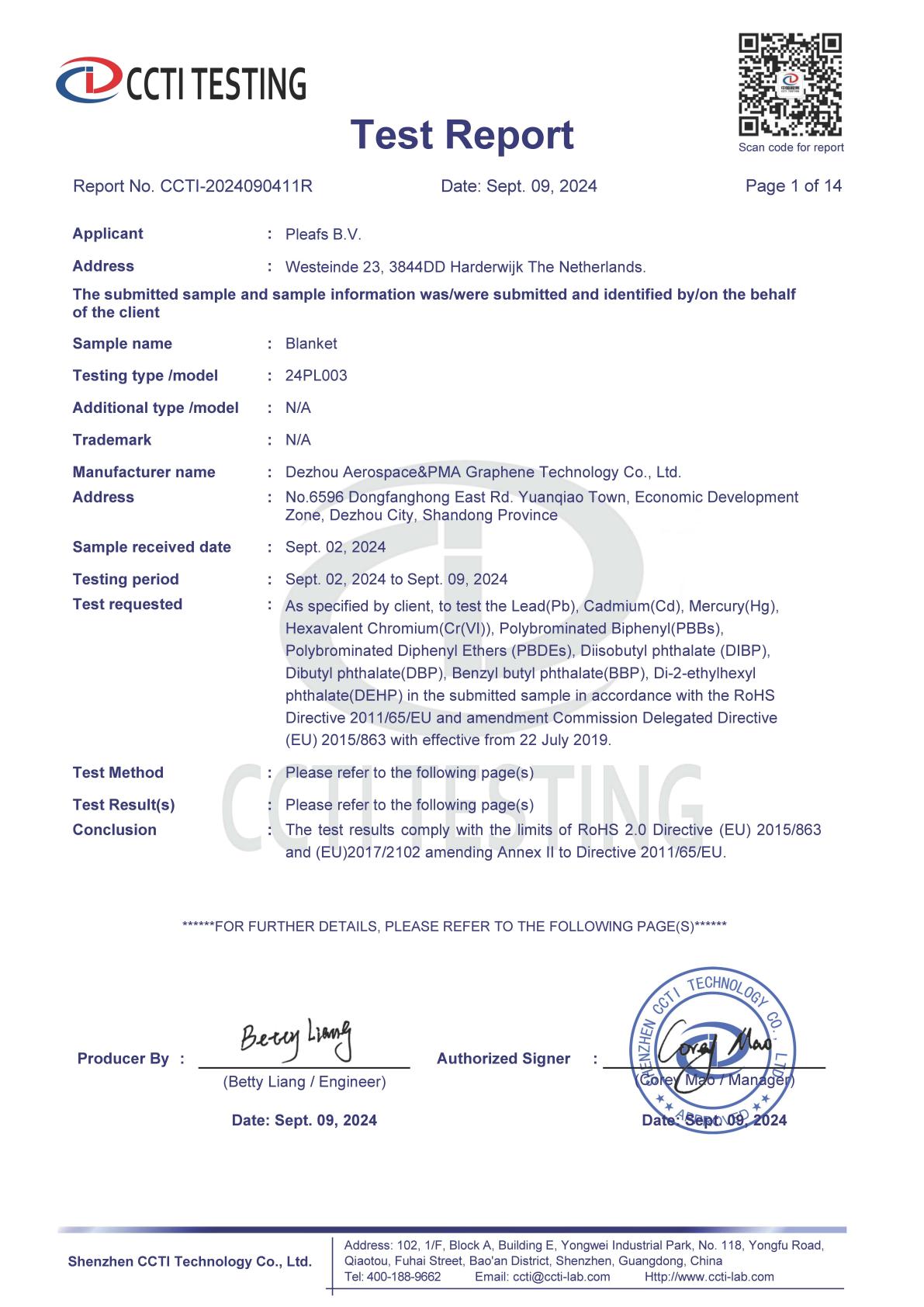
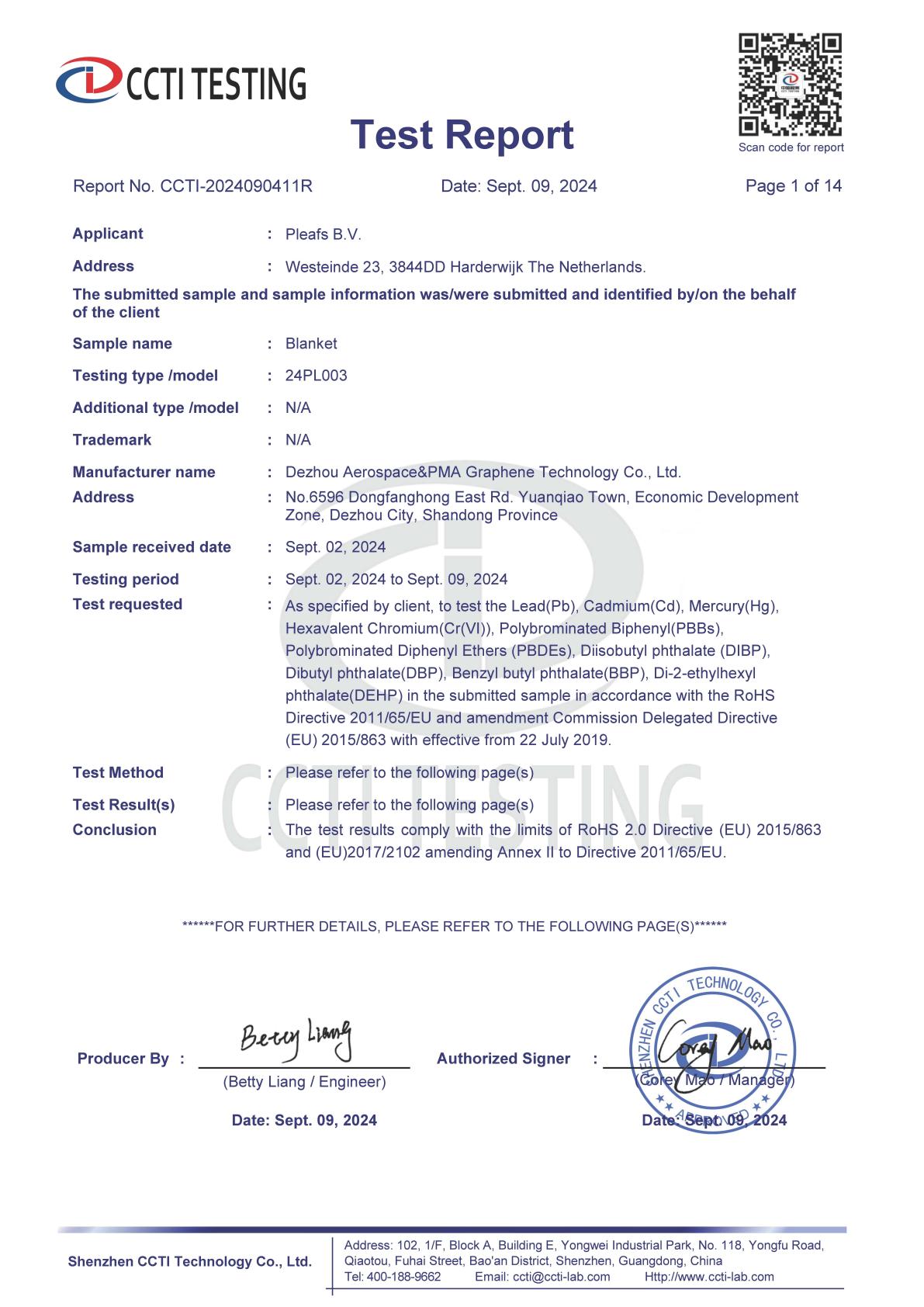
PMA CCTI certificate 01
PMA CCTI certificate 02
PMA CE certificate 01
PMA CE certificate 02
PMA CE certificate 03
PMA CE certificate 05
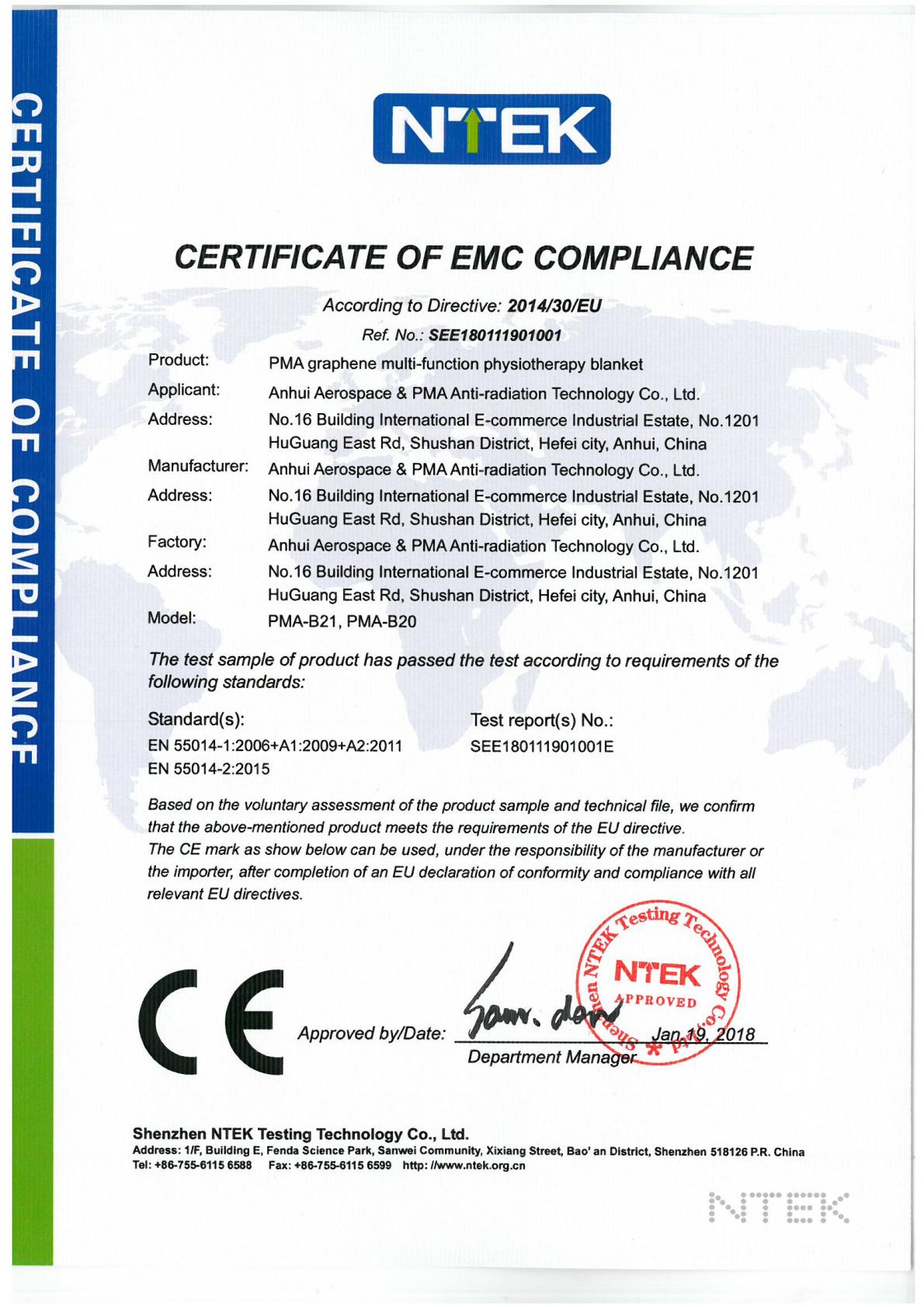
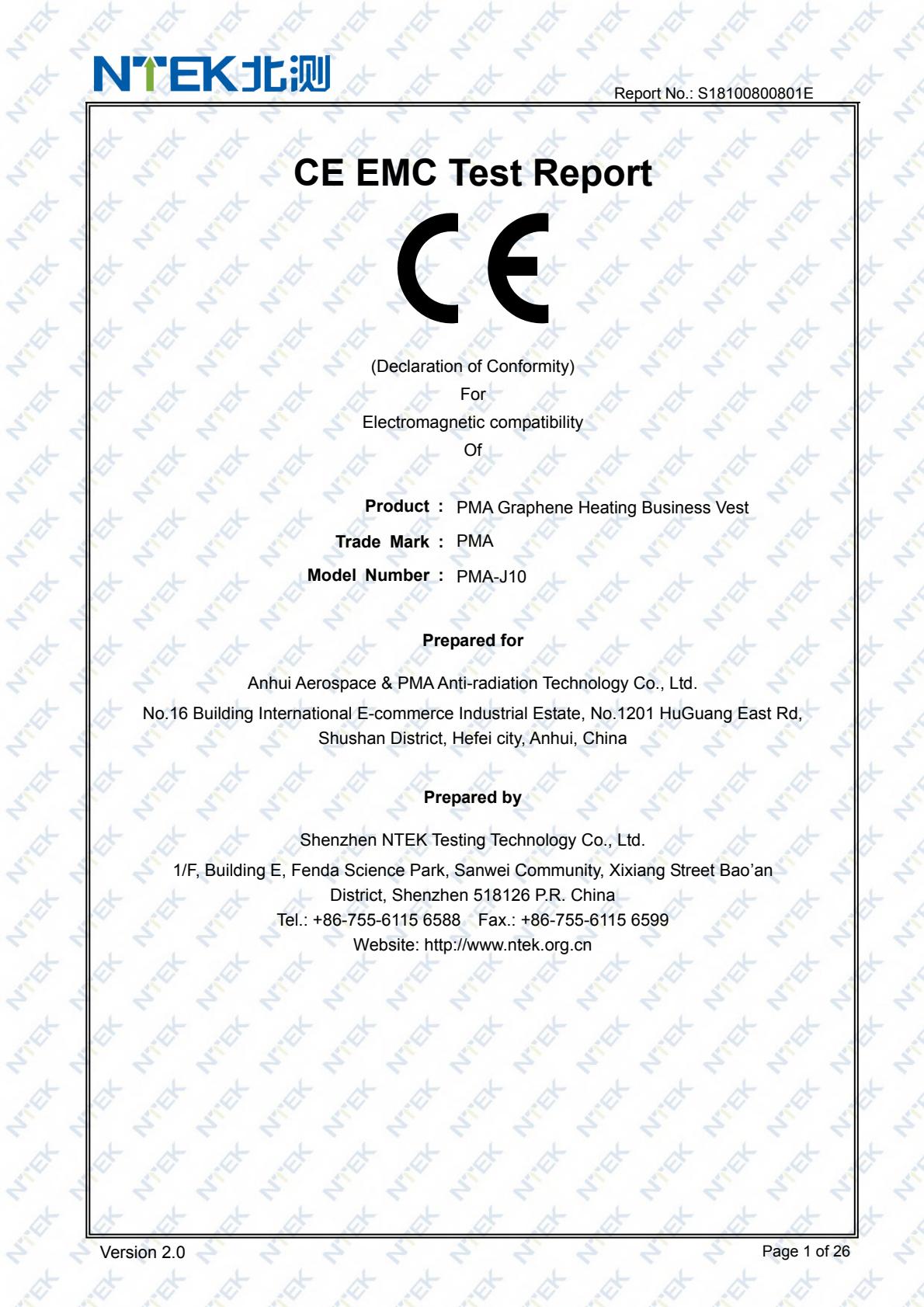
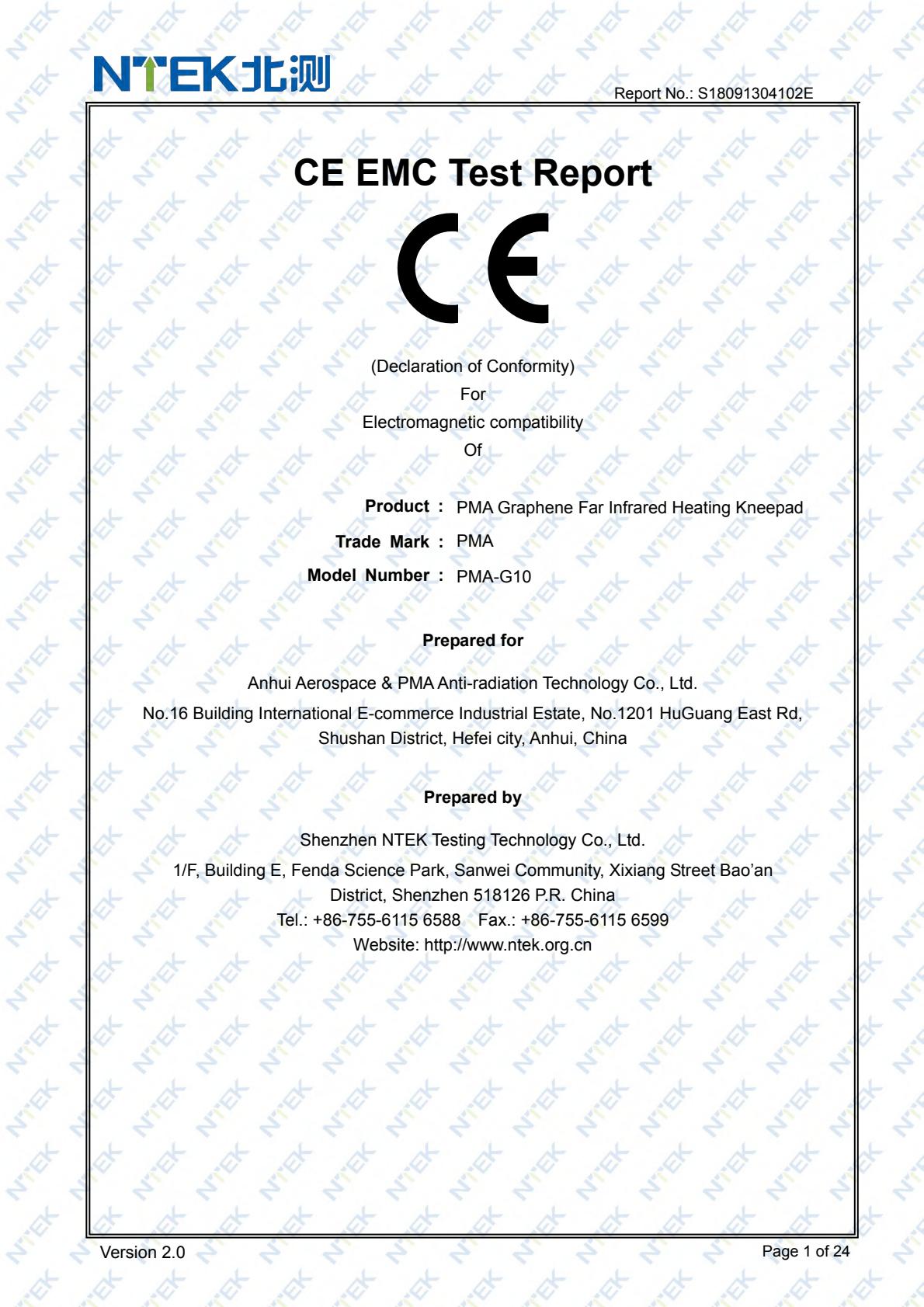
PMA CE EMC certificate
PMA CE EMC certificate 01
PMA CE EMC certificate 02

About PMA

PMA company and graphene technology
About PMA

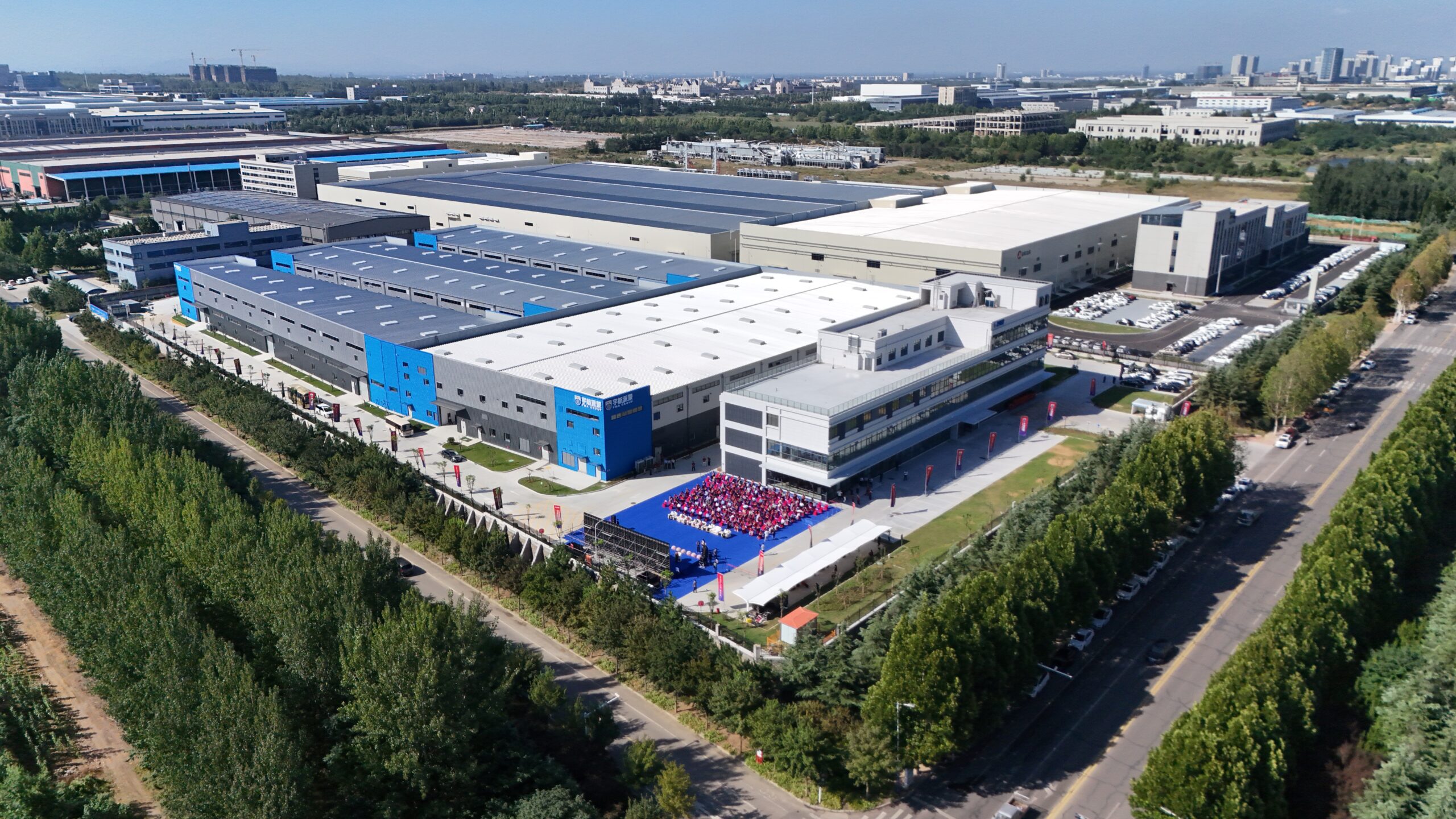
PMA was established in 2006 and is a leading enterprise in graphene thermal-management applications in China, integrating R&D, production and sales. PMA has focused on the high thermal and electrical conductivity of advanced graphene materials, as well as the development of high-precision graphene heating films and thermal-dissipation films.

PMA graphene application and production capability
Applications & Manufacturing

PMA has deeply invested in graphene heating-system applications in fields including new-energy vehicles, medical and health products, thermal therapy and smart wearable products. Today, PMA operates one headquarters and two manufacturing facilities in China.

Technical Foundation

Material formulation, heating-film engineering, electrical integration and application validation are developed as one connected process.

20+
Years of industry experience
260+
Graphene-related patents
15+
Production lines
1.5M+
m² annual film capacity
FAQ

Questions before starting an application project.

A technical brief helps define the heating element, operating conditions and required evaluation.

Contact Us

Graphene is a very thin form of carbon arranged in a hexagonal structure. It is known for its good thermal and electrical conductivity.

Graphene can conduct electricity and spread heat efficiently. This helps a heating element warm up quickly and distribute heat more evenly.

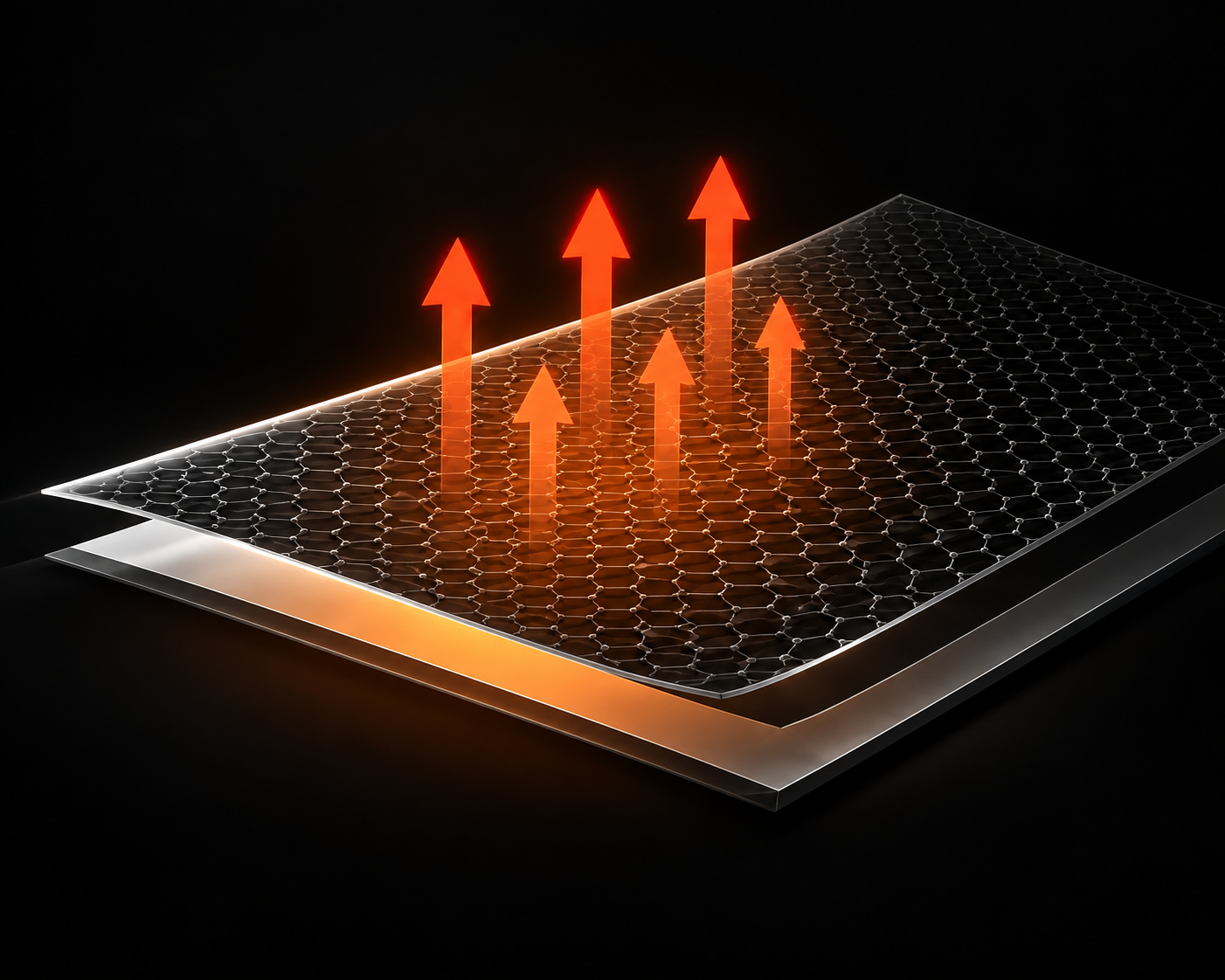
Electrical current passes through a graphene-based conductive layer. Electrical resistance produces heat, which then spreads across the heating area.

A properly designed graphene heating structure can distribute heat across a relatively large area more evenly than a single-point heating source. Actual performance depends on the structure, power and installation.

Thin graphene heating structures can respond quickly because the heating layer has low thermal mass. Actual heating time depends on voltage, power, size, materials and operating conditions.

Some graphene heating films are designed on flexible substrates and can bend or fit curved surfaces. The allowable bending depends on the specific structure and materials.

Voltage and power can often be designed for the heating area, target temperature, available power supply and product structure. The final specification must be confirmed for each project.

Graphene heating can be used in home textiles, wearable heating products, outdoor equipment, automotive components and other products that need thin, flexible or evenly distributed heating.