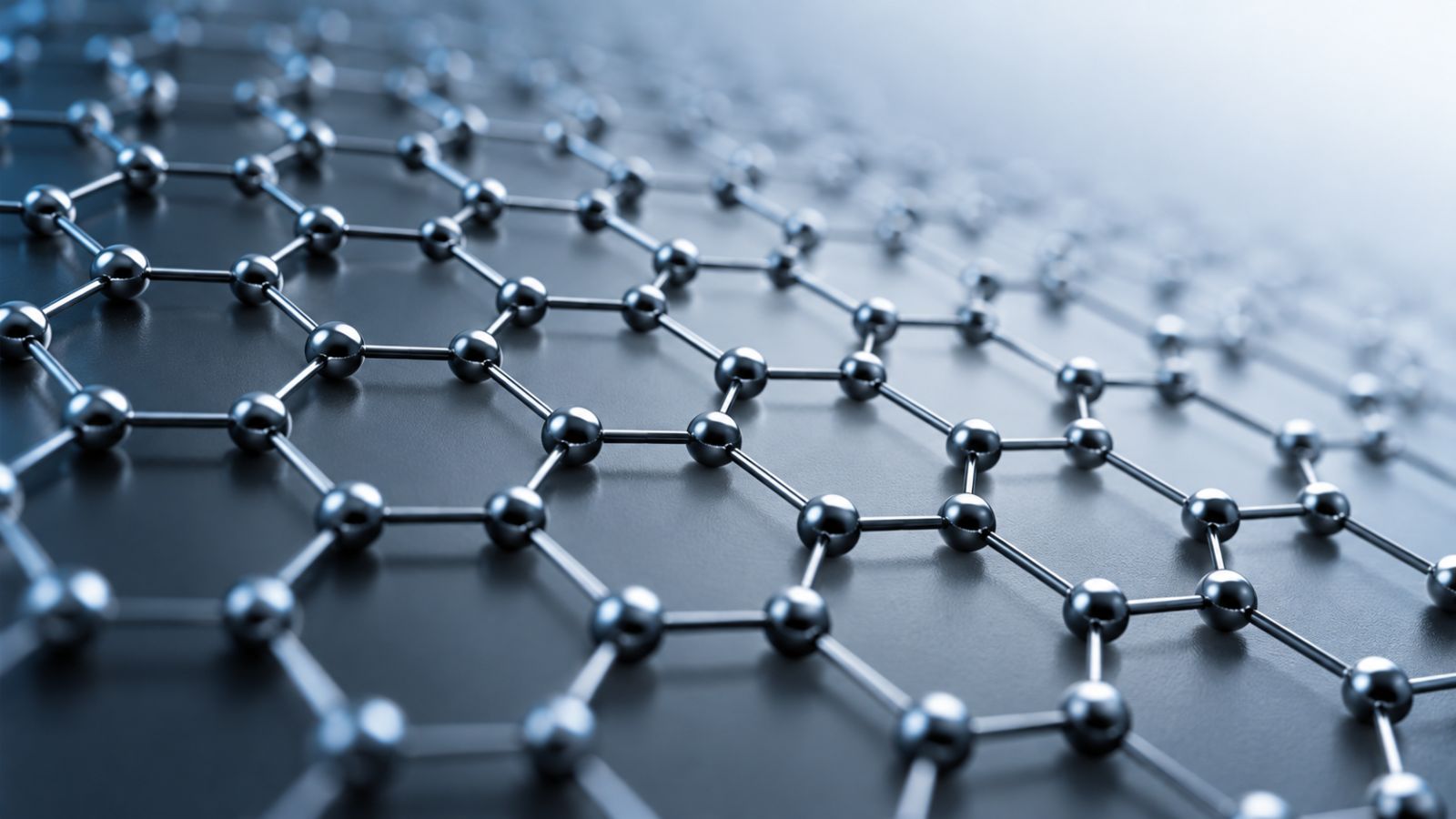
Graphene is a single layer of carbon atoms arranged in a two-dimensional honeycomb-shaped structure. It is only one atom thick and can be considered the basic structural layer of graphite.
Graphene became widely known after Andre Geim and Konstantin Novoselov at the University of Manchester isolated and studied it in 2004. Their work later received the 2010 Nobel Prize in Physics .
What makes graphene interesting is not one property alone. Its very thin structure can combine low weight, flexibility and high mechanical strength with useful electrical and thermal behavior. These characteristics have led researchers and manufacturers to explore graphene in electronics, composites, thermal management and flexible heating applications.
Graphene vs. Graphite
Graphene and graphite are both made from carbon, but their structures are different.
Graphene is one atomic layer, while graphite consists of many graphene-like layers stacked together.
A simple way to imagine the difference is to think of graphite as a book and graphene as one very thin page from that book. The University of Manchester provides further background on the discovery and structure of graphene.
Why Is Graphene Useful?
For practical product development, several graphene characteristics are especially relevant.
Thin and lightweight
Graphene itself is an atomic-scale material, which makes graphene-based structures attractive when thickness and weight matter.
Flexible
Graphene can be incorporated into flexible structures, making it useful for flexible electronics, heating films and wearable applications.
Mechanically strong
High-quality graphene has exceptional mechanical properties. However, the performance of a finished graphene product also depends on its substrate, formulation, manufacturing process and complete structure. A broader review of graphene properties and practical applications can be found in Nature’s graphene roadmap .
Suitable for electrical heating
When a graphene-based conductive structure is designed with suitable electrical resistance, electrical energy can be converted into heat.
How Does Graphene Heating Work?
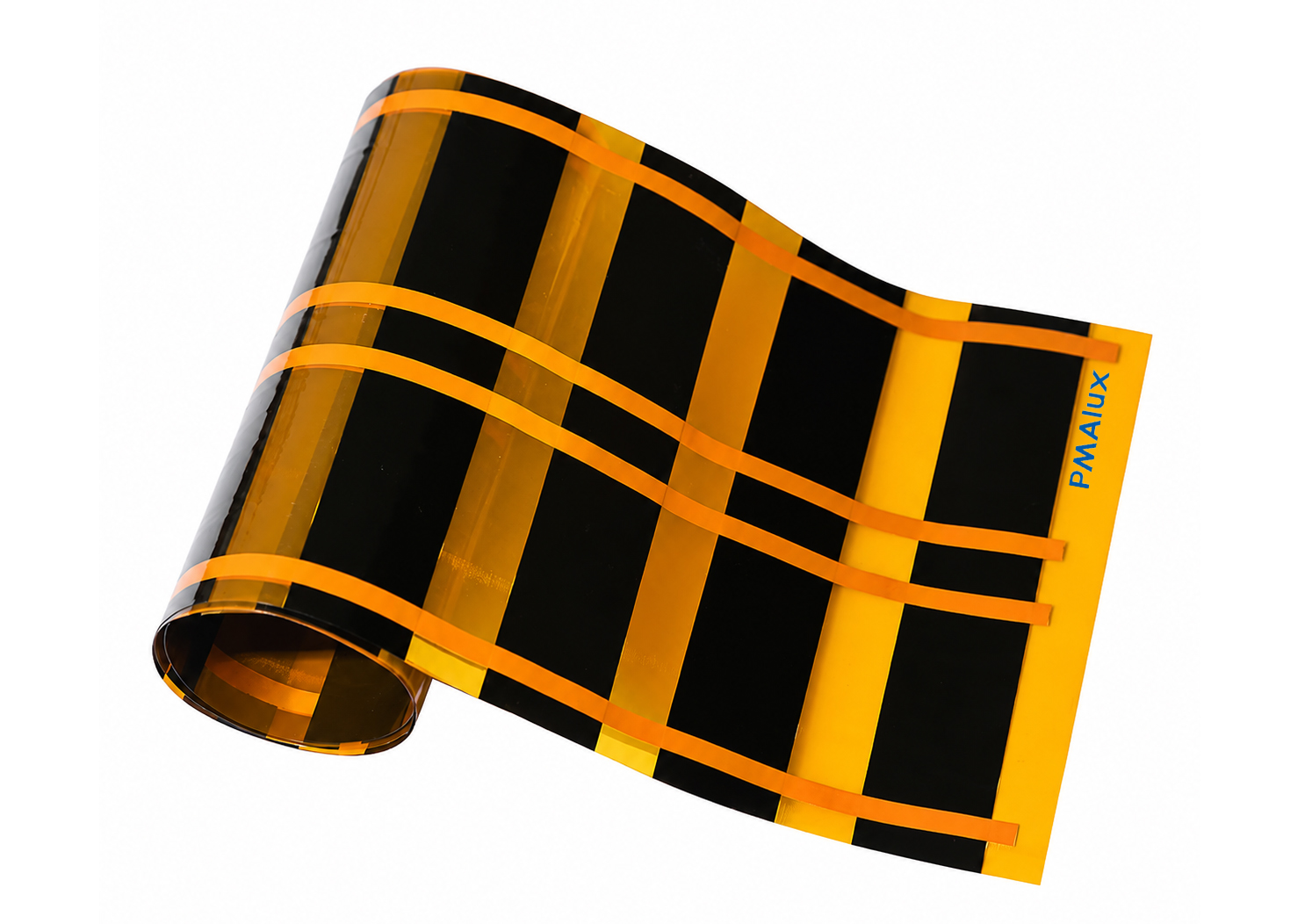
Graphene heating is based on Joule heating, also known as resistive heating.
When electric current passes through a conductive structure with electrical resistance, part of the electrical energy is converted into heat. Research on graphene heaters describes the same Joule heating mechanism .
Graphene does not simply generate heat by itself. A graphene heating system still requires an electrical power source and a properly designed heating structure.
The final heating performance depends on factors such as:
- Voltage
- Electrical resistance
- Heating area
- Available power
- Substrate
- Circuit design
- Temperature control
- Final product construction
This means that asking only, “Does this product contain graphene?” is usually not enough.
A more useful question is: How is the graphene heating structure designed for this application?
Are All Graphene Materials the Same?
No. This is an important point for buyers.
Commercial graphene-related materials can differ in layer number, particle or flake dimensions, structural quality, composition and other characteristics.
International standards include specific methods and frameworks for the characterization and classification of graphene-related materials. More information is available through ISO graphene-related material standards .
The word graphene alone is therefore not a complete product specification.
The performance of a real product depends on both the material and the way it is engineered into the final structure.
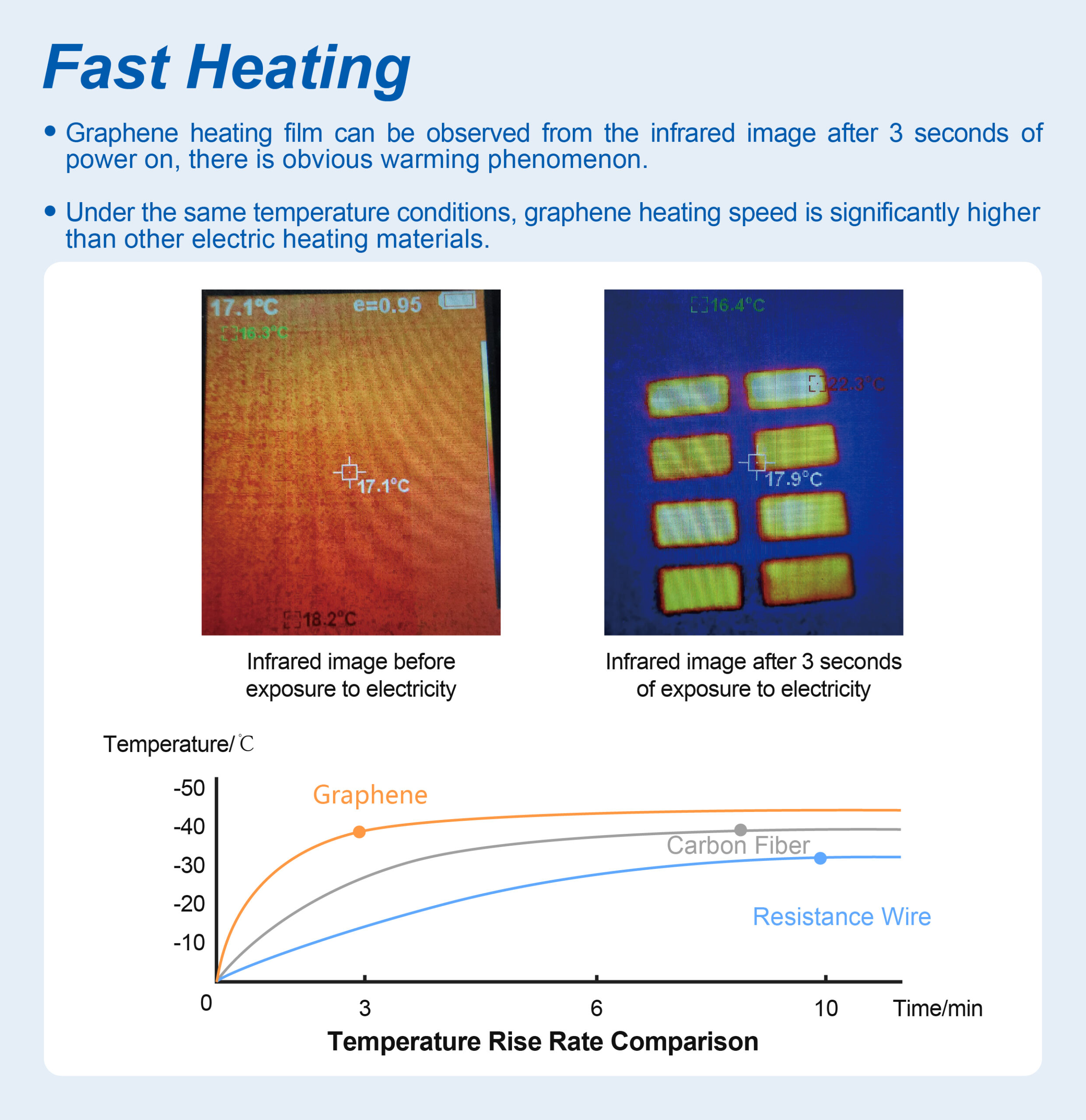
For a graphene heating film, the substrate, conductive structure, electrodes, resistance, voltage, encapsulation and control system can all affect its performance.
Where Is Graphene Used?
Graphene and graphene-related materials are being researched and applied in many areas, including:
- Flexible electronics
- Conductive materials
- Composites
- Sensors
- Energy technologies
- Thermal management
- Flexible heaters
Research has also demonstrated graphene-based heaters in flexible and wearable structures .
However, graphene should not be treated as a universal replacement for every conventional material. The best material and heating structure depend on the application.
What Should Buyers Check in a Graphene Heating Product?
For a real heating project, the word “graphene” should only be the starting point.
Buyers should also consider:
- Required dimensions
- Heating area
- Operating voltage
- Available current or power
- Target temperature
- Flexibility requirements
- Substrate or textile structure
- Controller requirements
- Operating environment
These factors help determine what type of heating structure is actually suitable.
It is also important to separate heating claims from medical claims. Providing warmth does not automatically make a product a medical device. For example, in the United States, FDA classification depends on factors including the product’s intended use and claims.
From Graphene to a Real Heating Product
At PMA, our work focuses on turning graphene heating technology into practical heating films and finished products.
Depending on the application, this can include fabric-based graphene heating films , PI-based flexible graphene heating films , wearable heating products, textile applications and customized OEM/ODM development .
In practice, a customer may begin by asking for a “5V graphene heating film,” but voltage alone is not enough to define the product.
The required size, heating area, target temperature, available power supply, product structure and application environment also need to be considered.
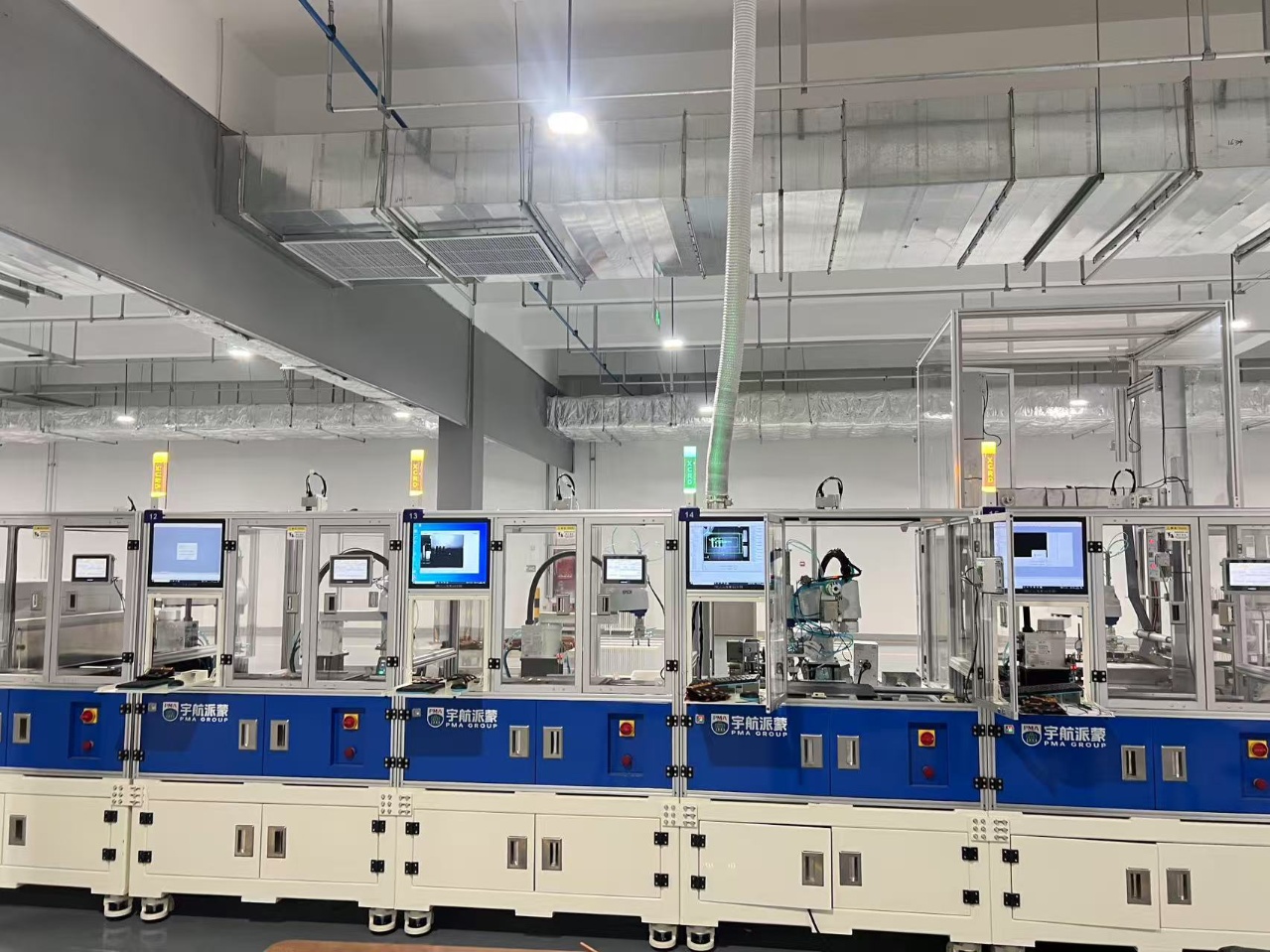
That is the difference between discussing graphene as a material and engineering graphene into a usable product.
If you are evaluating a new project, you can first explore our graphene heating films or discuss your heating project with PMA .
Frequently Asked Questions
Is graphene the same as graphite?
No. Graphene is a single atomic layer of carbon, while graphite contains many graphene-like layers stacked together.
Does graphene produce heat by itself?
No. In an electrical graphene heater, electrical energy is converted into heat through Joule heating.
Are all graphene heating films the same?
No. They can differ in graphene-related material, substrate, resistance, voltage, circuit design, encapsulation and intended application.
Is graphene heating automatically a medical technology?
No. A product that provides heat is not automatically a medical device. Medical classification depends on its intended use, claims and applicable regulations.
References
- Nobel Prize — The Nobel Prize in Physics 2010
- University of Manchester — Discovery of Graphene
- Nature — A Roadmap for Graphene
- ISO — Graphene-Related 2D Materials
- NIH / PMC — Graphene-Based Heater Research
- NIH / PMC — Flexible Graphene-Based Thermal Patch
- U.S. FDA — How to Determine if Your Product Is a Medical Device