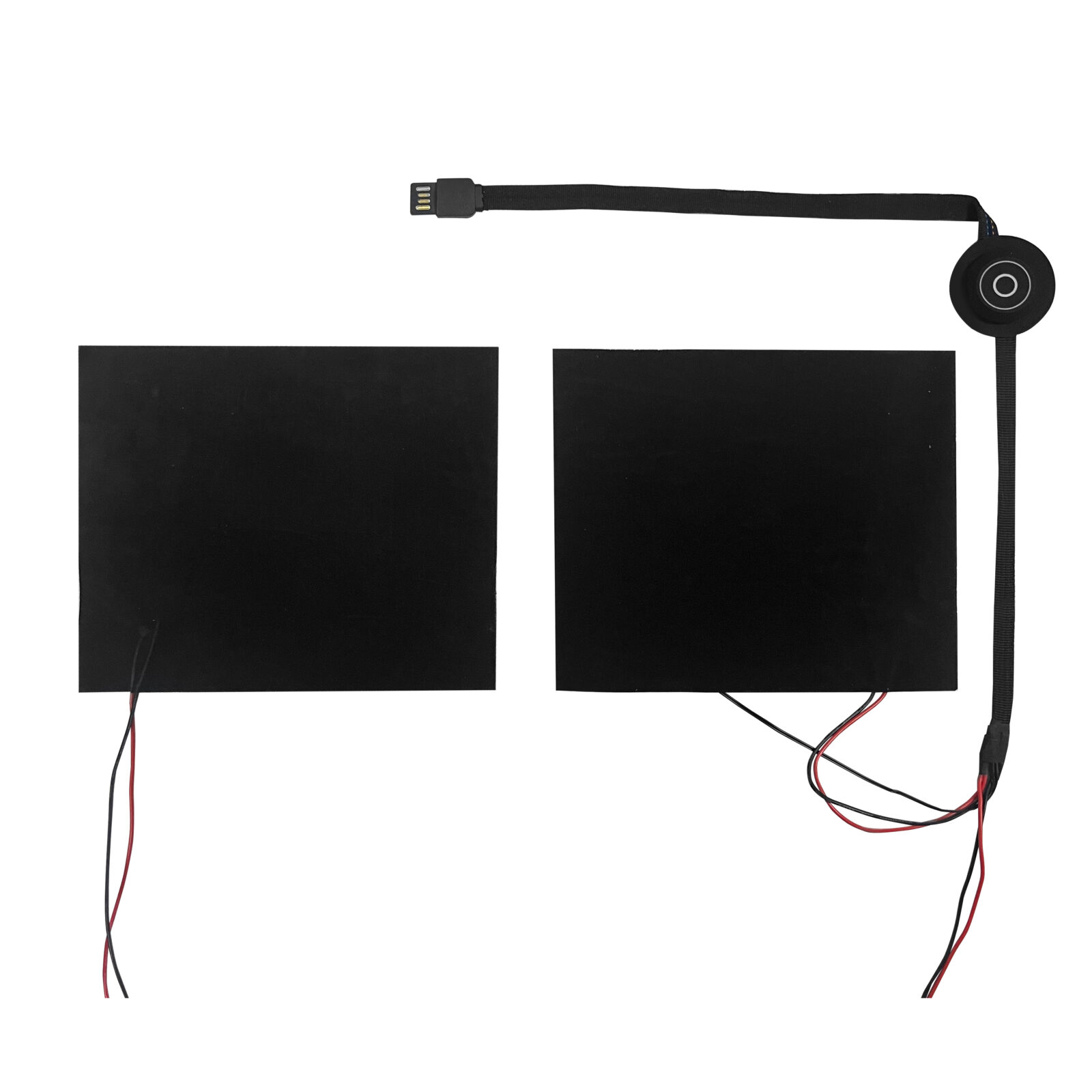
Graphene heating film and resistance wire are both used to generate heat in electrical products. They work on the same basic principle: electrical resistance converts electrical energy into heat. The main difference is how the heating element is built and how it fits into a product.
For manufacturers choosing a heating solution, the structure matters just as much as the heating material. Thickness, flexibility, temperature distribution and installation space can all affect the final design.
How Resistance Wire Heating Works
Resistance wire heating uses metal wire as the heating element. When an electric current passes through the wire, electrical resistance generates heat. The wire is usually arranged inside an insulated structure to suit the shape of the product.
This is a well-established heating method used in many appliances and industrial applications. It can be reliable and practical when the wire layout, insulation and operating temperature are properly designed.
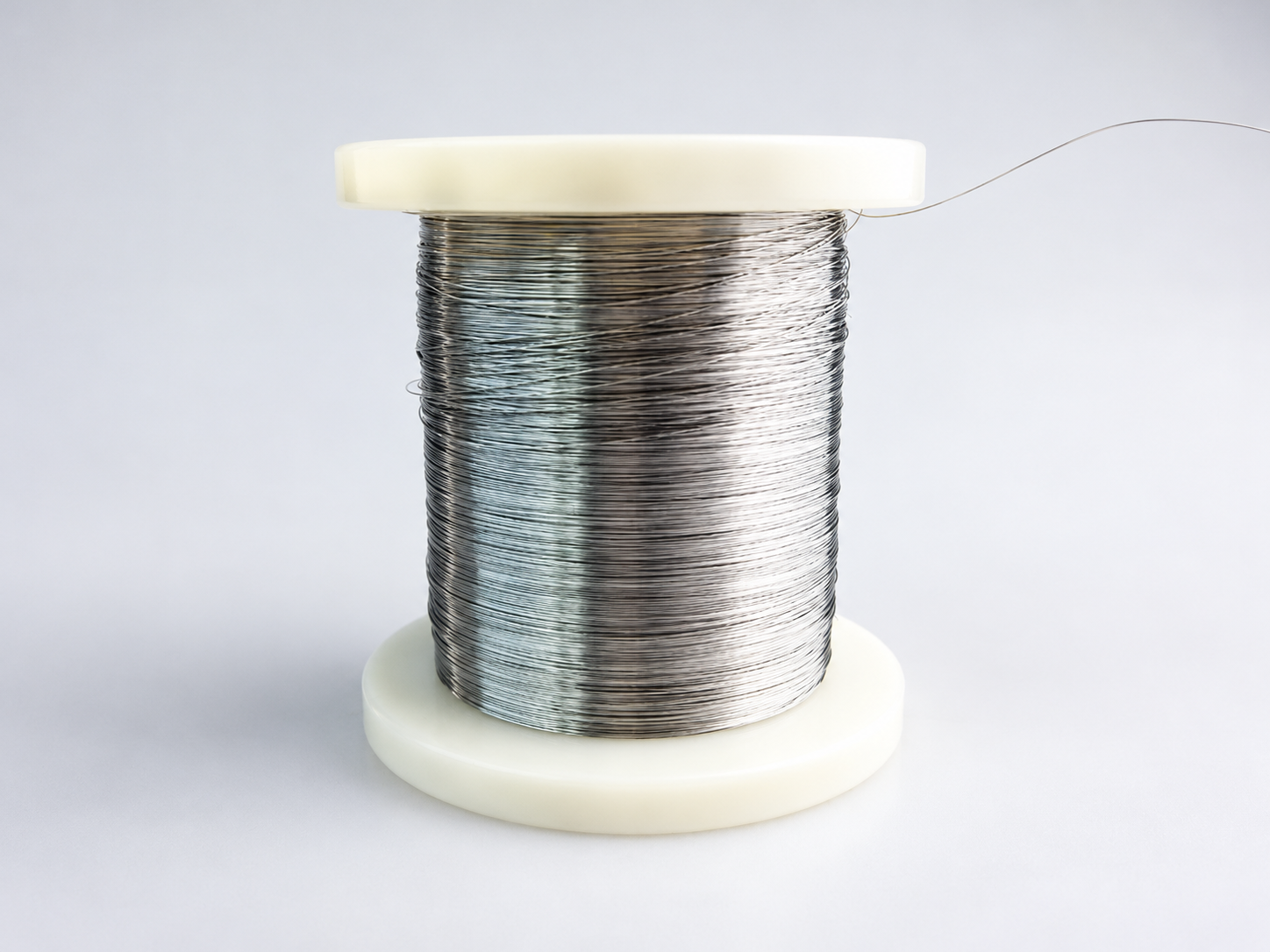
One consideration is how the wire is distributed. The spacing between wire runs and the materials surrounding them affect where heat develops and how it spreads across the surface. This becomes important when a product needs heating over a wide or irregularly shaped area.
How Graphene Heating Film Works
Graphene heating films use conductive heating materials in a thin, flexible structure. Depending on the design, the conductive material may form a coating, a printed pattern or part of a multilayer heating element.
Like resistance wire, the film produces heat when electricity passes through its conductive structure. It also needs suitable electrical connections, insulation and power control.
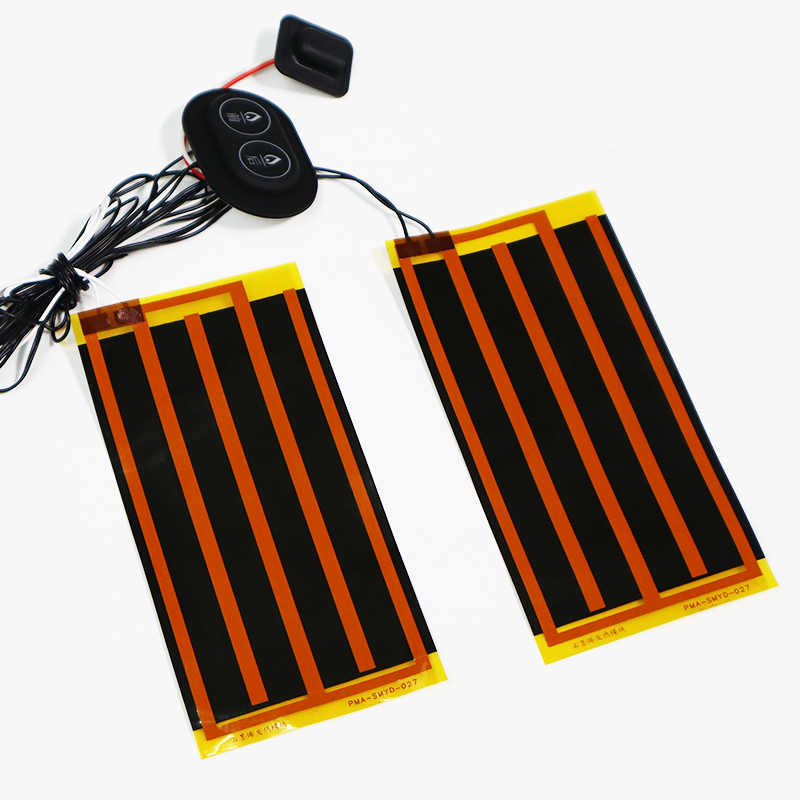
The main advantage of a film structure is its form. A thin heating element can be positioned across a flat or curved surface without requiring the same wire-routing arrangement. This makes flexible heating films useful in products where space and thickness are important.
However, not all heating films have the same construction. Substrate materials, conductive patterns, electrodes and protective layers vary according to the application.
Heat Distribution and Temperature Control
Heating film is often chosen for applications that require heat across a larger surface area. A properly designed conductive pattern can distribute heating over the intended area, but the actual temperature distribution depends on more than the material itself.
Power input, heating pattern, insulation, contact with surrounding materials and the operating environment all affect the result.
The same applies to resistance wire. A carefully arranged wire heater can also provide effective heating across a surface. Neither method should be judged by the heating material alone.
Temperature control is another separate consideration. Both technologies can work with sensors and controllers to maintain suitable operating conditions. The number of temperature settings or control functions depends on the complete heating system rather than the heating element alone.
Flexibility and Product Integration
For wearable products, flexible heating films offer another practical consideration: they can be made as thin heating components that fit inside fabric layers, pads or other compact structures.
The heating element still needs to withstand the conditions of normal use. Repeated bending, pressure, electrical connections and moisture exposure should be considered during product development.
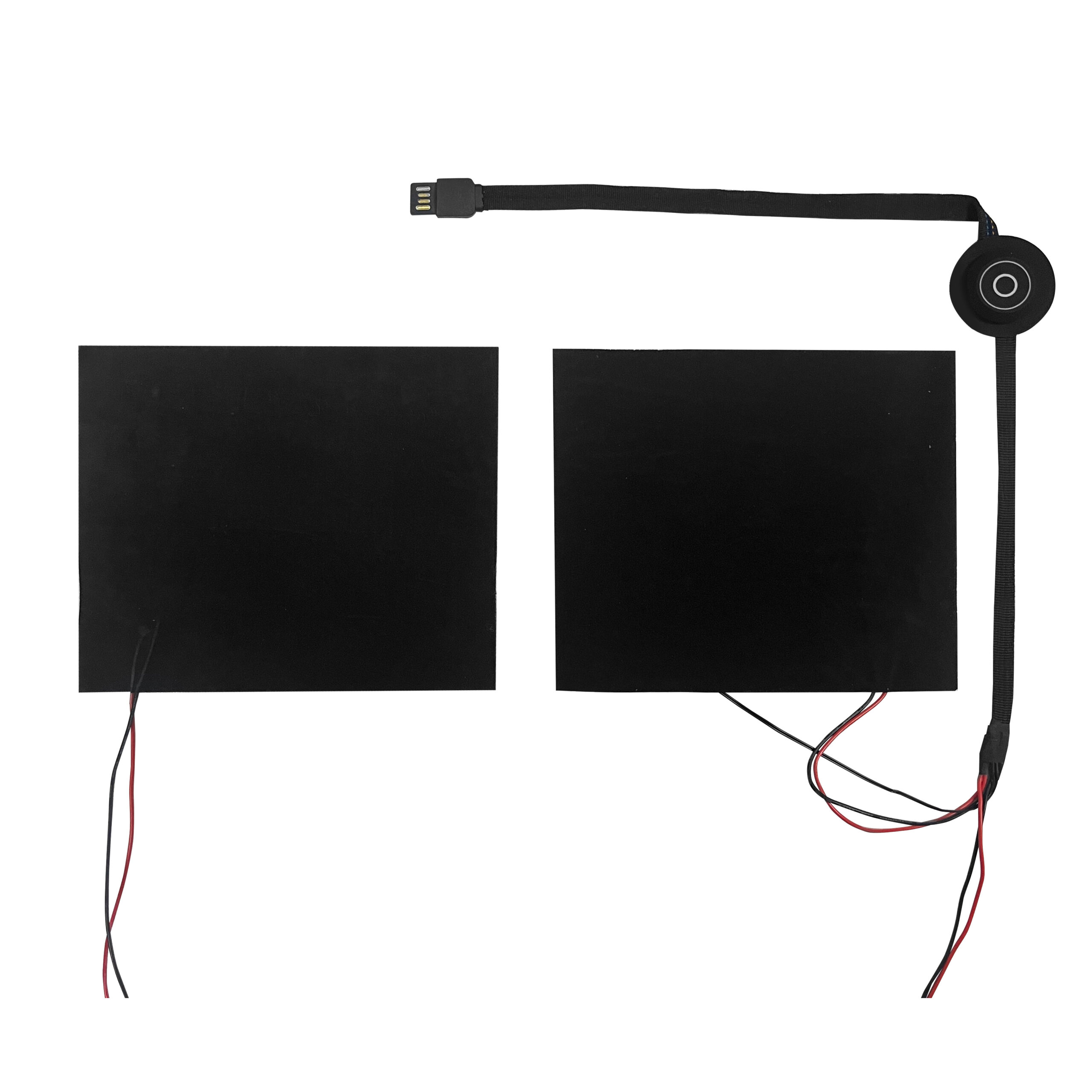
These PMA heating film samples show how flexible heating elements can be connected to external wiring and control components. The final structure can be adapted to different product layouts, although the heating material and electrical design must match the intended operating conditions.
Which Heating Method Should You Choose?
Resistance wire remains a practical option for many products, particularly where the heating element can be routed through a fixed structure.
Flexible graphene heating film may be more suitable when a product needs a thin heating layer, a defined heating area or a structure that fits into limited space.
The better choice depends on the application. Before selecting either method, manufacturers should consider the required temperature, available installation space, operating voltage, flexibility and expected service conditions.
At PMA, flexible heating films are developed for integration into different products. Heating patterns, dimensions and electrical configurations can be discussed according to specific OEM/ODM requirements.
Explore our heating films and heated products to see the available options.