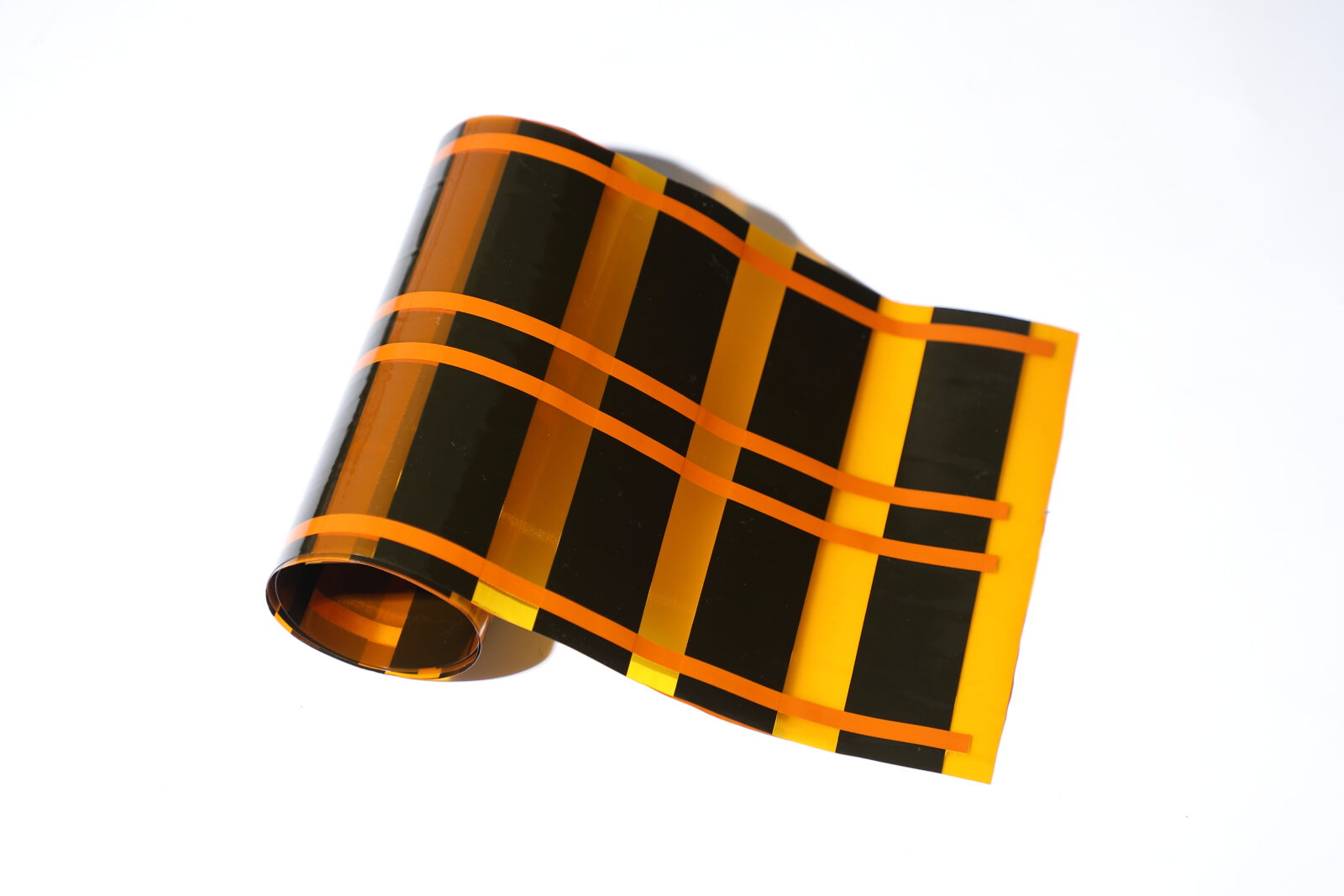
Flexible heating film testing starts before the film goes into a finished product. A heating film is not ready for integration just because it gets hot.
Before integration, engineers need to know how it behaves under the actual electrical, thermal and mechanical conditions of the product. Voltage, temperature, flexibility and reliability all need to be checked before the final structure is confirmed.
Start with the electrical conditions
Voltage, current, resistance and power need to match the product.
A regulated power supply is commonly used during development to control the electrical input and check how the heating film responds. This is useful when a product is powered by a battery, power bank or another low-voltage source.
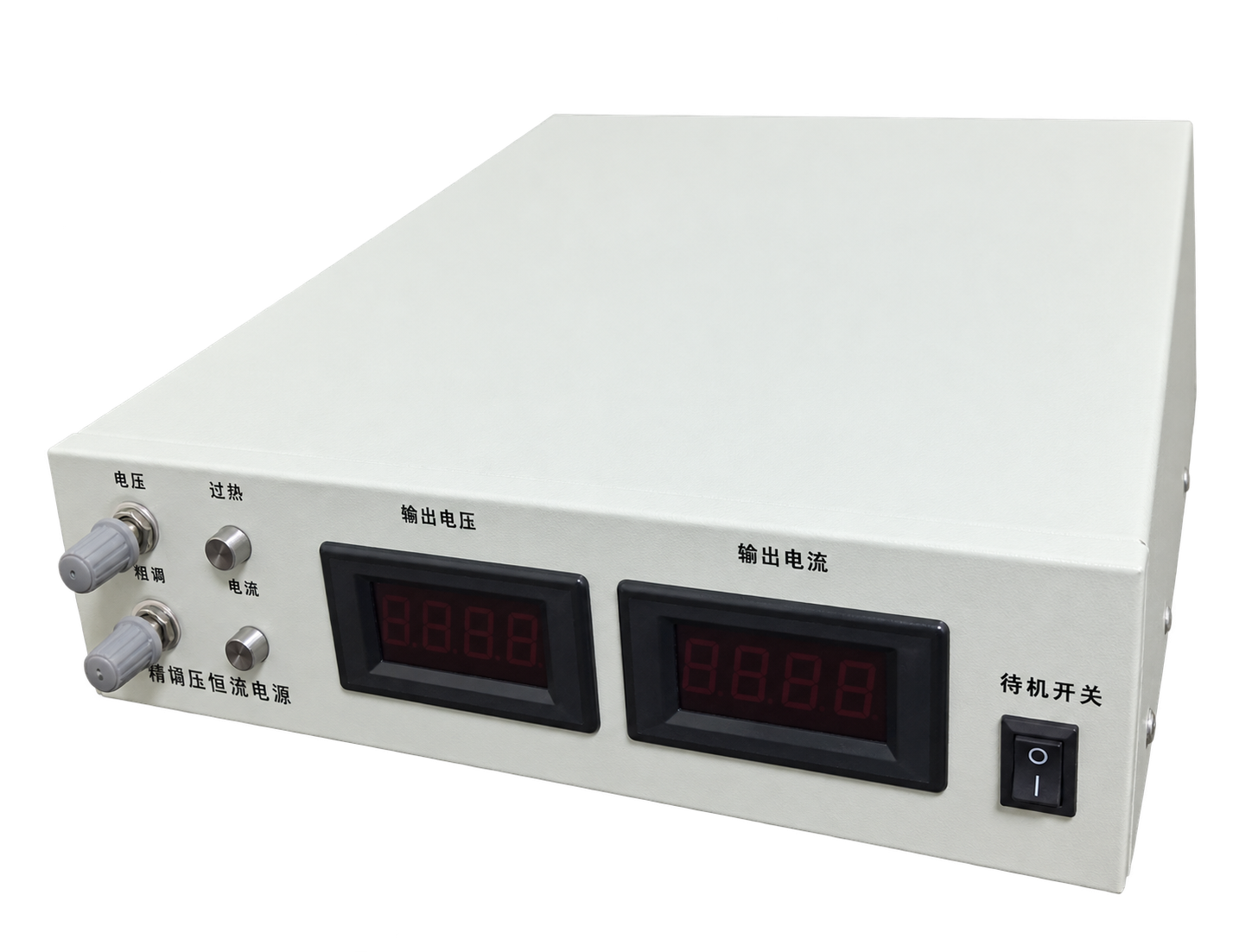
The goal is not simply to use more power. The electrical setup needs to give the required heating performance without exceeding what the product actually needs.
Temperature is more than a maximum number
Reaching the target temperature is only one part of the test.
Engineers also look at heating speed, temperature stability and how evenly heat spreads across the active area. The requirements can be very different for a wearable device, a heated accessory or an industrial component.
The temperature target should therefore come from the application, rather than from one fixed heating-film specification.
Flexibility has to match real use
Flexible heating films may be bent, wrapped around curved surfaces or moved repeatedly during use.
A film that works normally when flat still needs to be checked after bending. Repeated bending tests help engineers see whether mechanical movement affects the heating structure or its electrical performance.
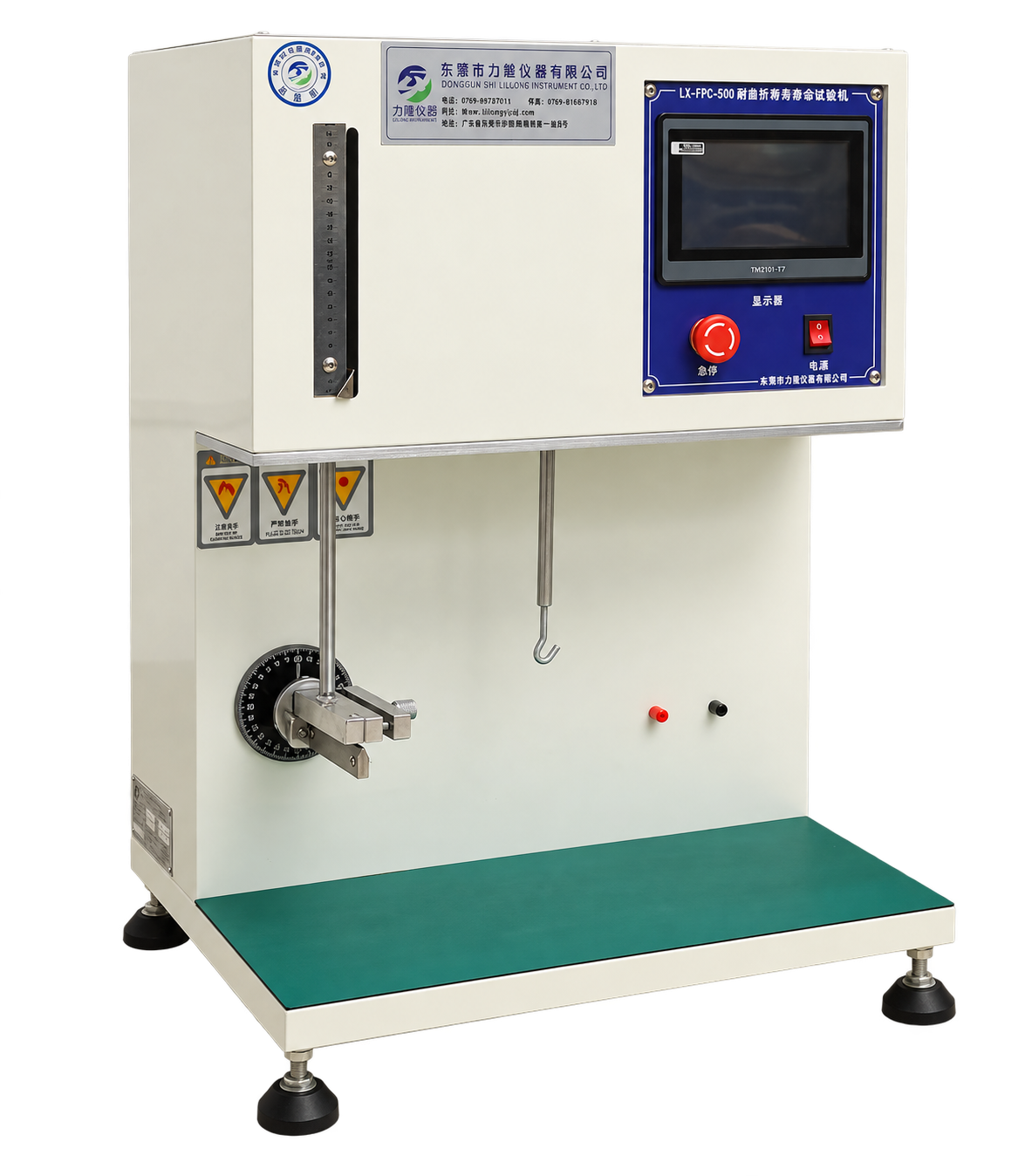
The amount of bending depends on the product. A film installed once on a curved surface does not have the same requirement as one that is folded or flexed again and again.
Check the operating environment
Temperature and humidity can affect materials, insulation and electrical connections over time.
A constant-temperature and humidity chamber lets engineers expose samples to controlled conditions before the heating film is integrated into a finished product.
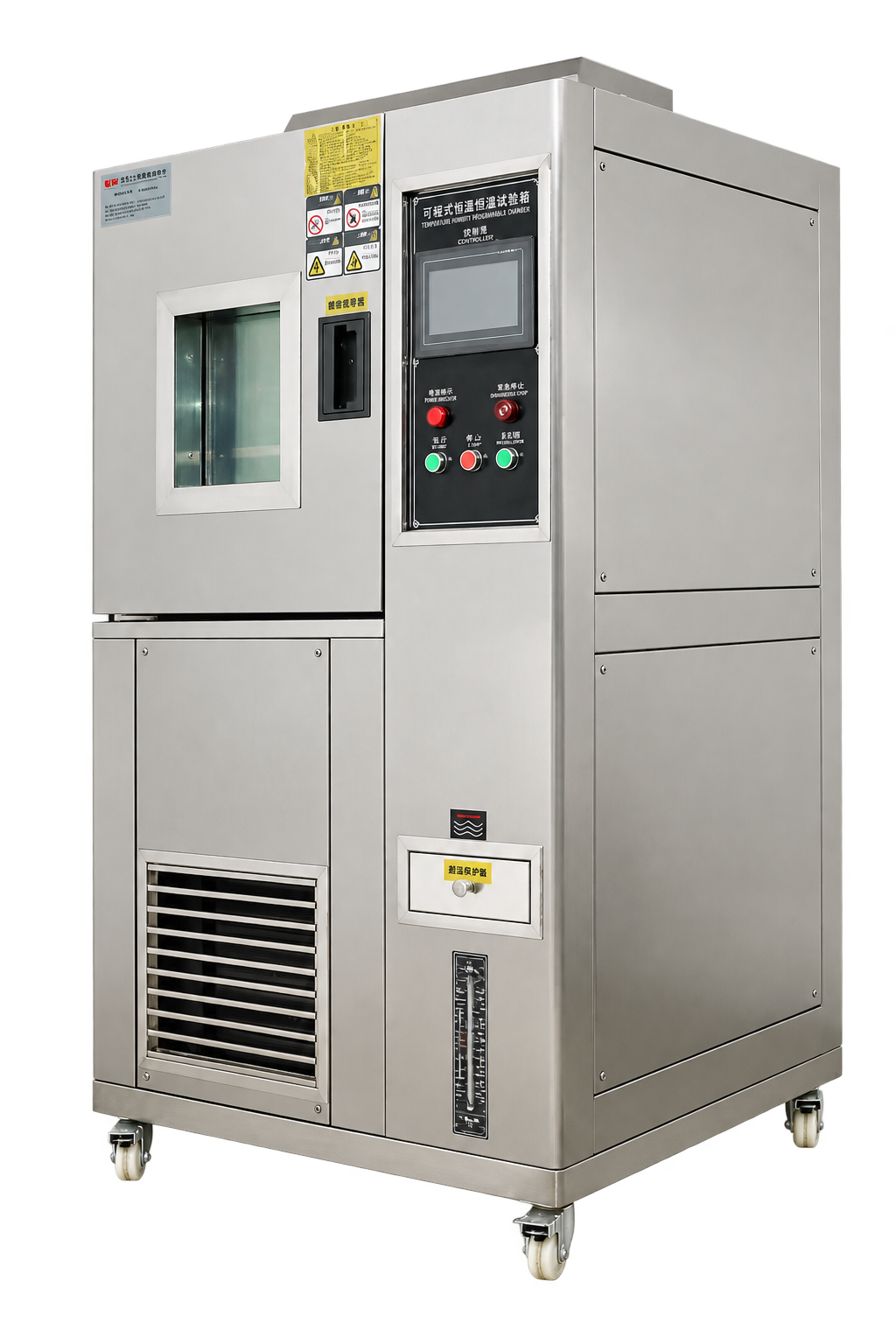
The exact test conditions depend on where and how the product will be used. The purpose is to find possible problems during development instead of after production has started.
One heating film does not fit every product
The final structure depends on the application.
Voltage, size, heating area, thickness, flexibility, insulation, connection method and operating environment can all affect the design.
For this reason, heating-film development usually starts with the product requirements first. The structure is then adjusted, tested and confirmed around those conditions.
At PMA, the process is straightforward: define the requirements, make the sample, test it, adjust the structure and then move toward product integration.
For a customized graphene heating film project, the most useful starting information is usually the required voltage, dimensions, target temperature, installation method and operating environment.