Flexible heating films are used in products that need a thin heating element without sacrificing flexibility. From heated clothing to cushions and wearable devices, the film must fit the product’s shape and continue working under its intended conditions.
Making a reliable heating film involves more than producing a conductive layer. Cutting accuracy, electrical connections and mechanical testing all affect how the finished product performs.
Manufacturing Starts with the Film Structure
A typical graphene-based flexible heating film combines conductive material, a flexible substrate, electrodes and protective layers. Each part serves a different purpose.
The conductive layer generates heat when electrical current passes through it. The substrate supports the structure, while electrodes and connections deliver power. Protective layers help the heating element withstand the conditions expected during use.
Electrical conductivity is an important consideration in graphene-based materials. Research published by the National Institute of Standards and Technology (NIST) examines charge transport in graphene inks and conductive films.
Before production, manufacturers need to define the film’s dimensions, operating voltage, heating area and connection layout. These decisions influence the subsequent processing and assembly steps.
Precision Cutting and Material Processing
Flexible heating films often need to fit into products with limited space or irregular shapes. Accurate processing helps manufacturers produce the required dimensions while preserving the electrical and mechanical structure.
Laser cutting is one possible processing method for compatible materials. However, the appropriate method depends on the substrate, conductive layers and protective construction.
Processing conditions matter. A research paper on ultraviolet laser cutting of polyamide films examines how cutting parameters influence processing quality and the heat-affected zone. Although the study does not evaluate PMA heating films, it illustrates why material compatibility and process control are important.
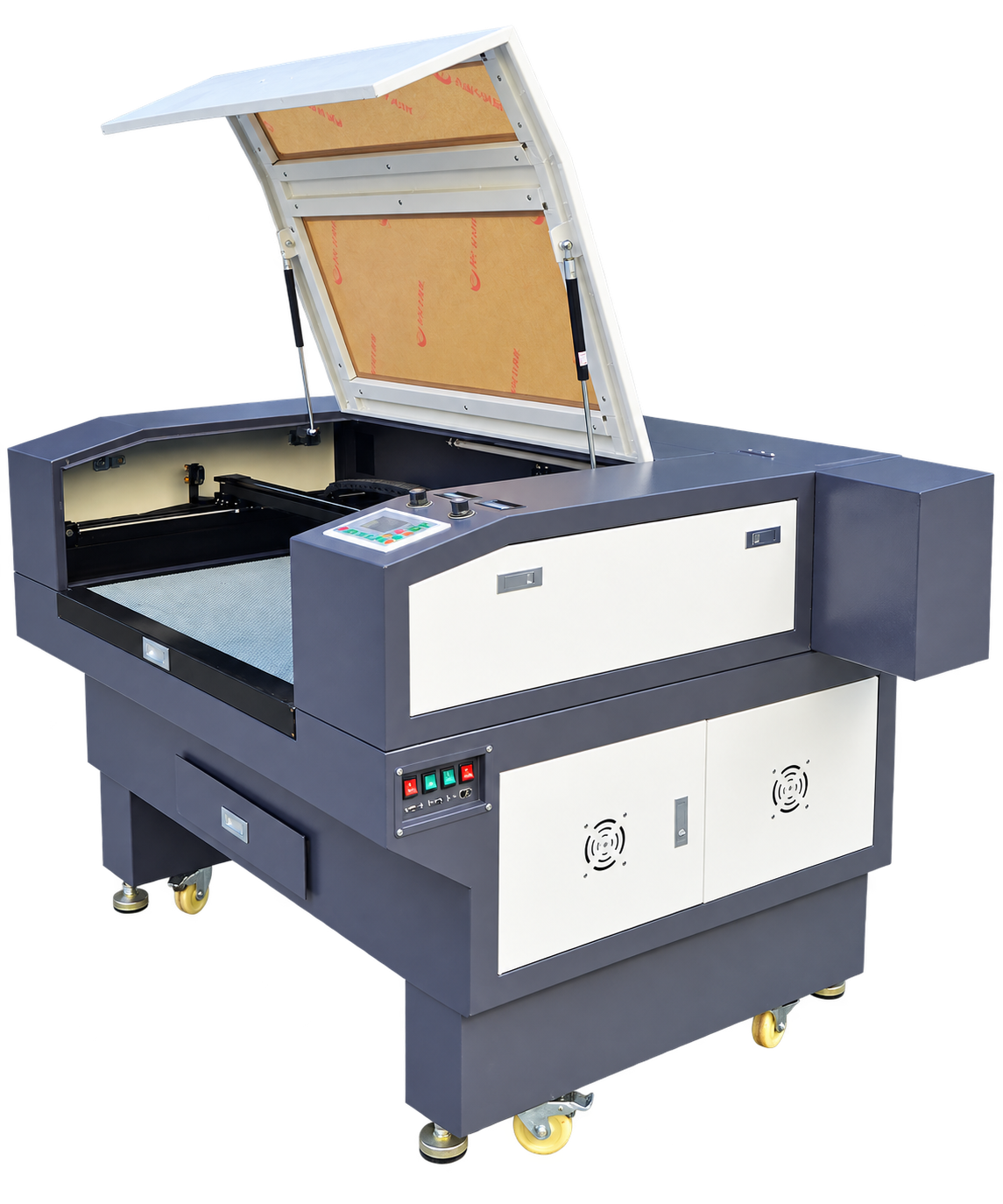
Cutting is only one part of manufacturing. Electrode placement, wiring and encapsulation must also be considered before a heating film can be integrated into a finished product.
Electrical Connections and Heating Performance
A heating film may appear intact while still having problems with its electrical connections. Poor contact or mechanical stress around a connection can affect resistance and heating behavior.
Manufacturers therefore need to consider the complete heating structure, including the conductive layer, electrodes, wiring and temperature-control system.
Electrical resistance, heating response and temperature distribution are useful parameters to check against the product’s requirements. The appropriate inspection methods depend on the film design and its intended application.
At PMA, the development process covers material formulation, film structures and electrical integration. More details are available on our graphene heating R&D and manufacturing capabilities page.
Bending Tests and Mechanical Reliability
Flexibility is particularly important for heating elements used in clothing, cushions and other products that bend during normal use.
Repeated bending places mechanical stress on the film structure. Over time, this can affect conductive pathways, electrodes or connections, depending on the materials and construction.
Bending tests help engineers investigate these effects under defined conditions. Test parameters may include the bending radius, movement direction and number of cycles. Changes in electrical resistance can also be measured before, during or after testing.
A scientific review published in PubMed Central, Bending Setups for Reliability Investigation of Flexible Electronics, describes common testing methods and explains the importance of repeated bending in evaluating flexible electronic structures.
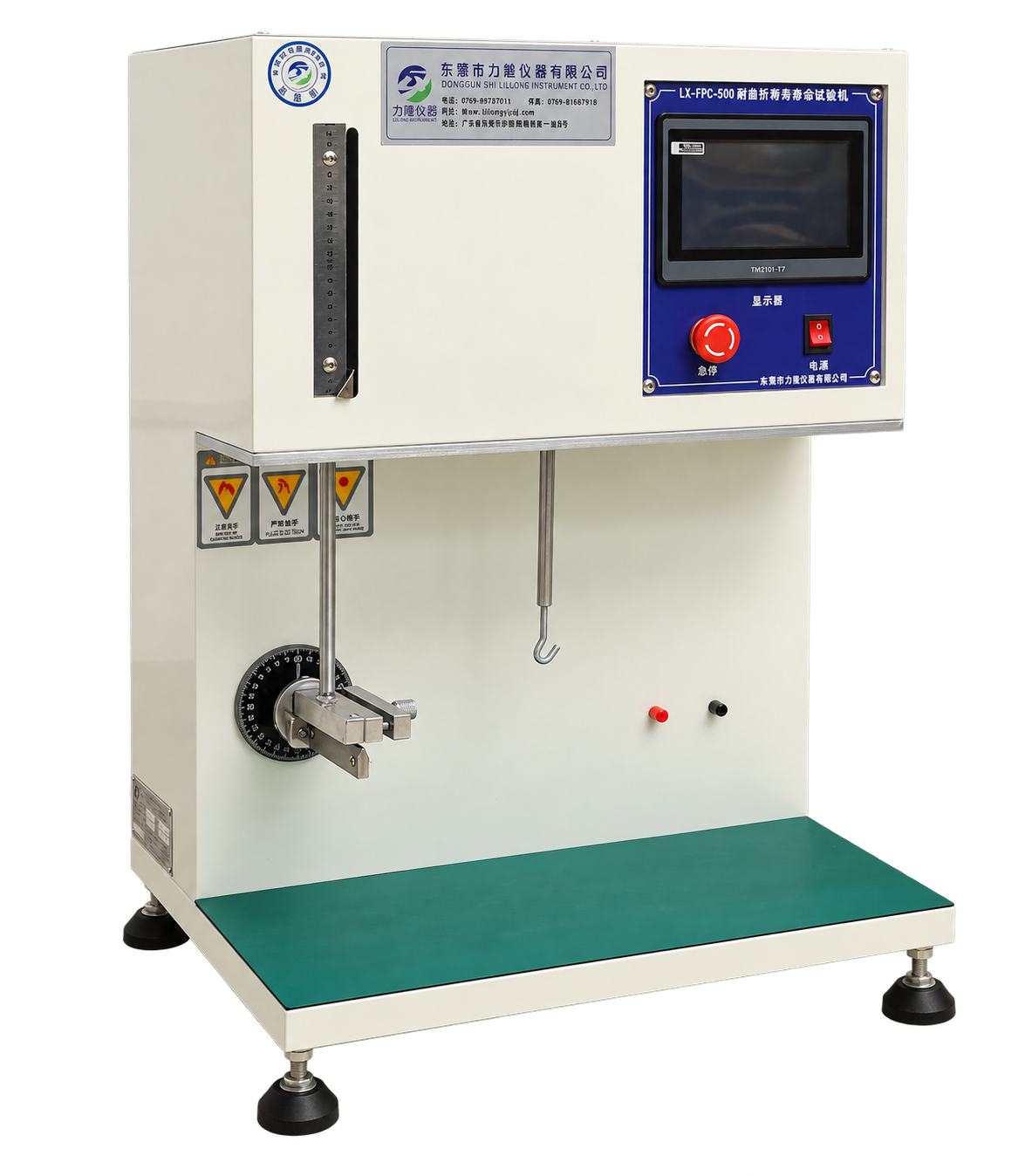
Testing conditions matter. A film that performs well under gentle bending may respond differently to tighter bending, repeated folding or stress around electrical connections.
For this reason, mechanical reliability should be evaluated against the conditions the final product is expected to experience.
Preparing Heating Films for Product Integration
For OEM and ODM projects, several details should be agreed upon before selecting or manufacturing a flexible heating film:
- Film dimensions, shape and available installation space
- Operating voltage, resistance and required heating power
- Substrate, encapsulation and electrical connection design
- Expected bending, movement and environmental conditions
- Temperature-control and product safety requirements
These requirements help determine the suitable film structure, processing method and verification plan. No single construction or test condition is appropriate for every application.
Flexible heating films can be integrated into different product categories, including textiles, wearable devices and household heating products. Examples are available in PMA’s graphene heating film and product solutions.
Graphene Heating Film Development at PMA
PMA Group develops and manufactures graphene-based flexible heating films for textile, wearable, household and customized heating applications.
Our work covers conductive materials, heating-film structures, electrical integration and product inspection. Film dimensions, electrical specifications and protective construction are selected according to the requirements of each project.
For customized heating-film development, contact the PMA team with your product dimensions, available voltage, heating requirements and intended application.